
我们的空间:拉萨HIDDEN PLACE守卫城
Our Space: Lhasa HIDDEN PLACE
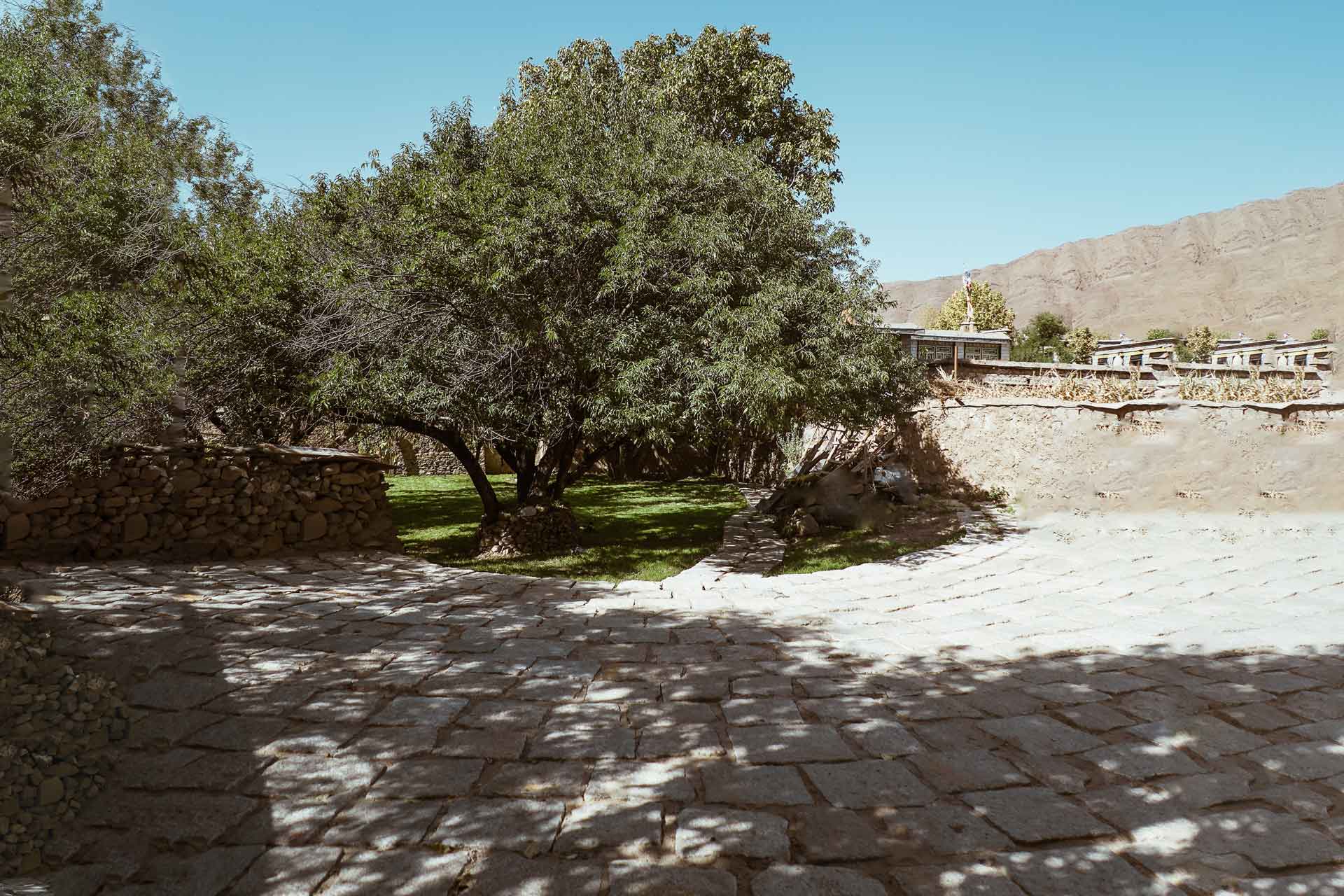
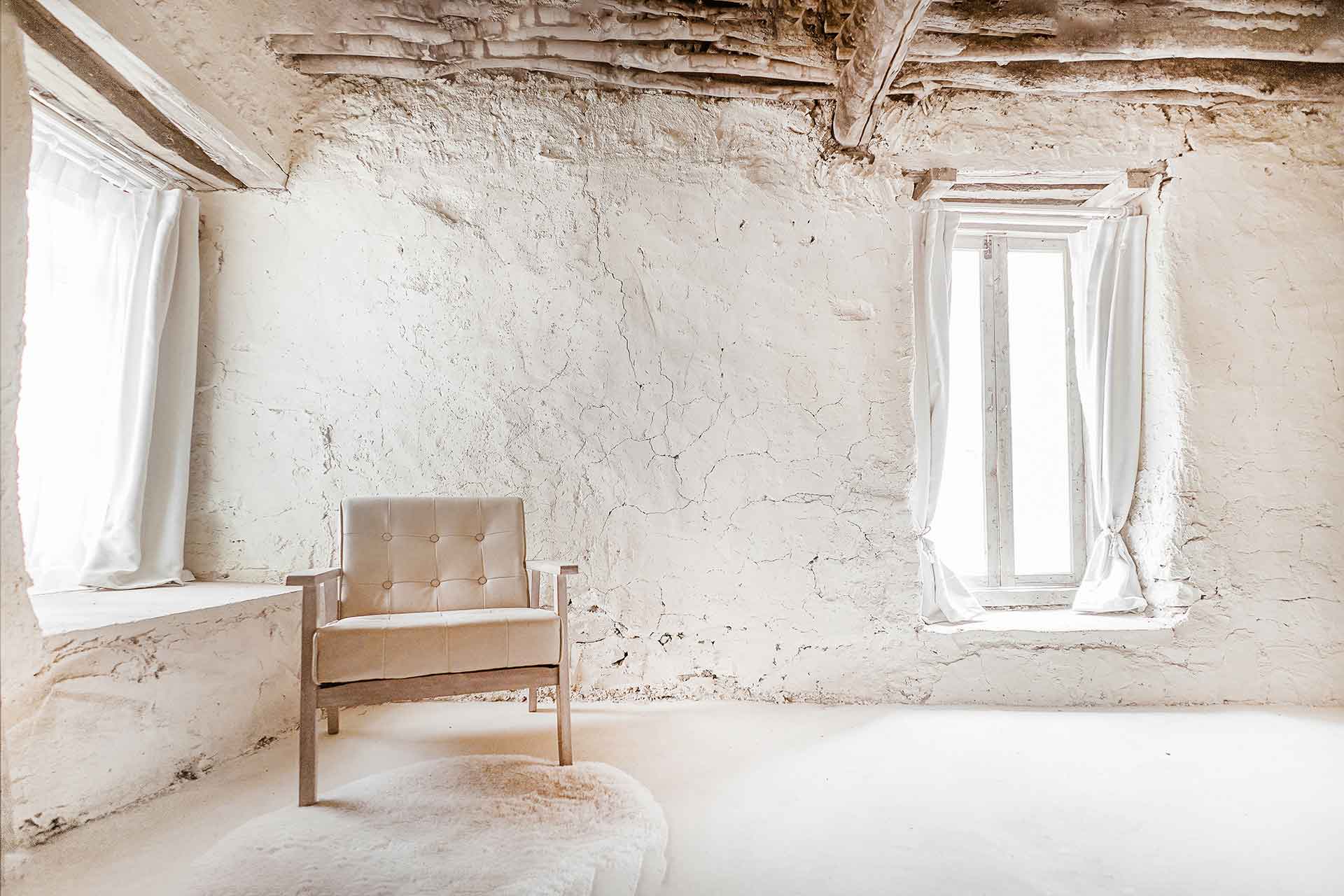
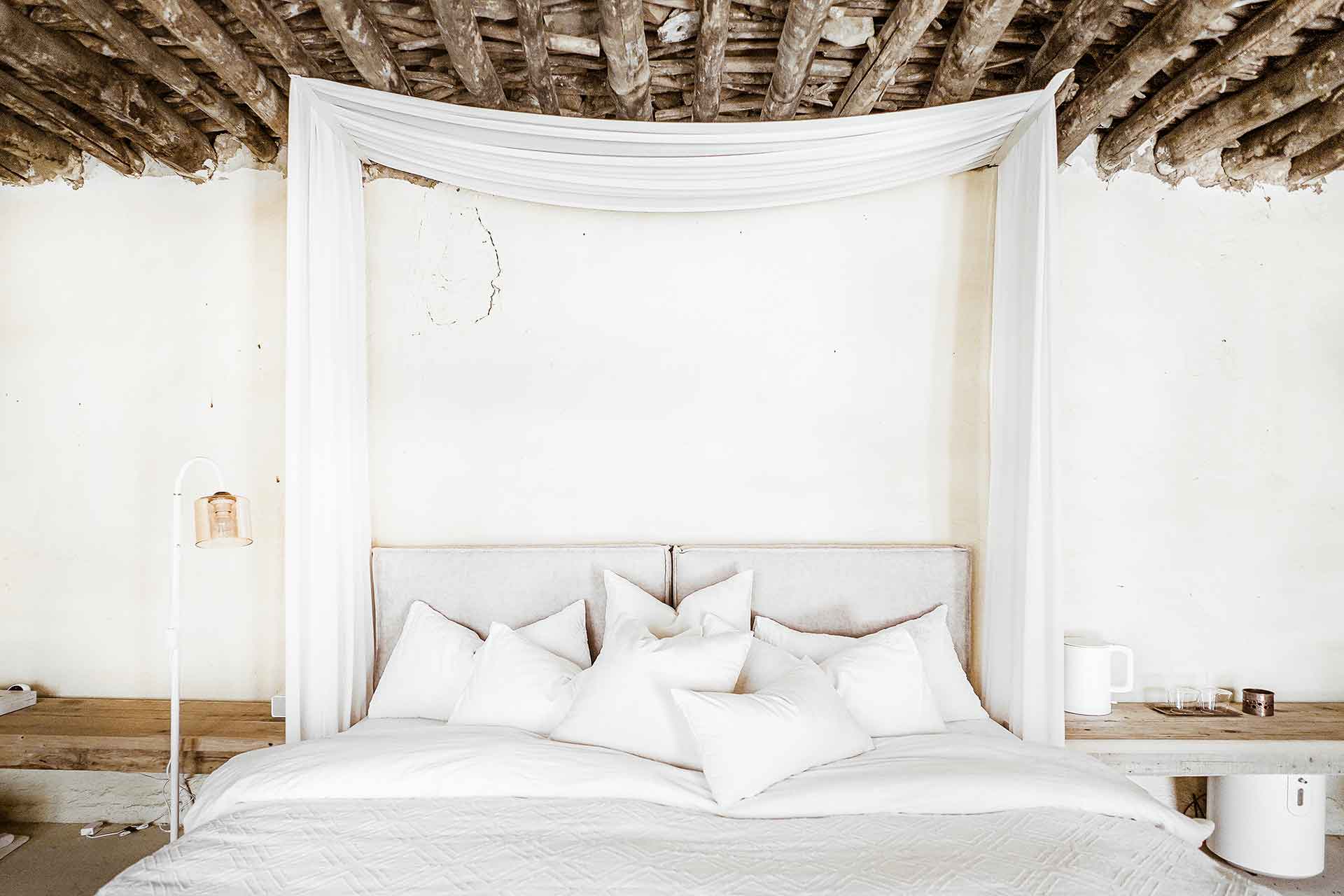
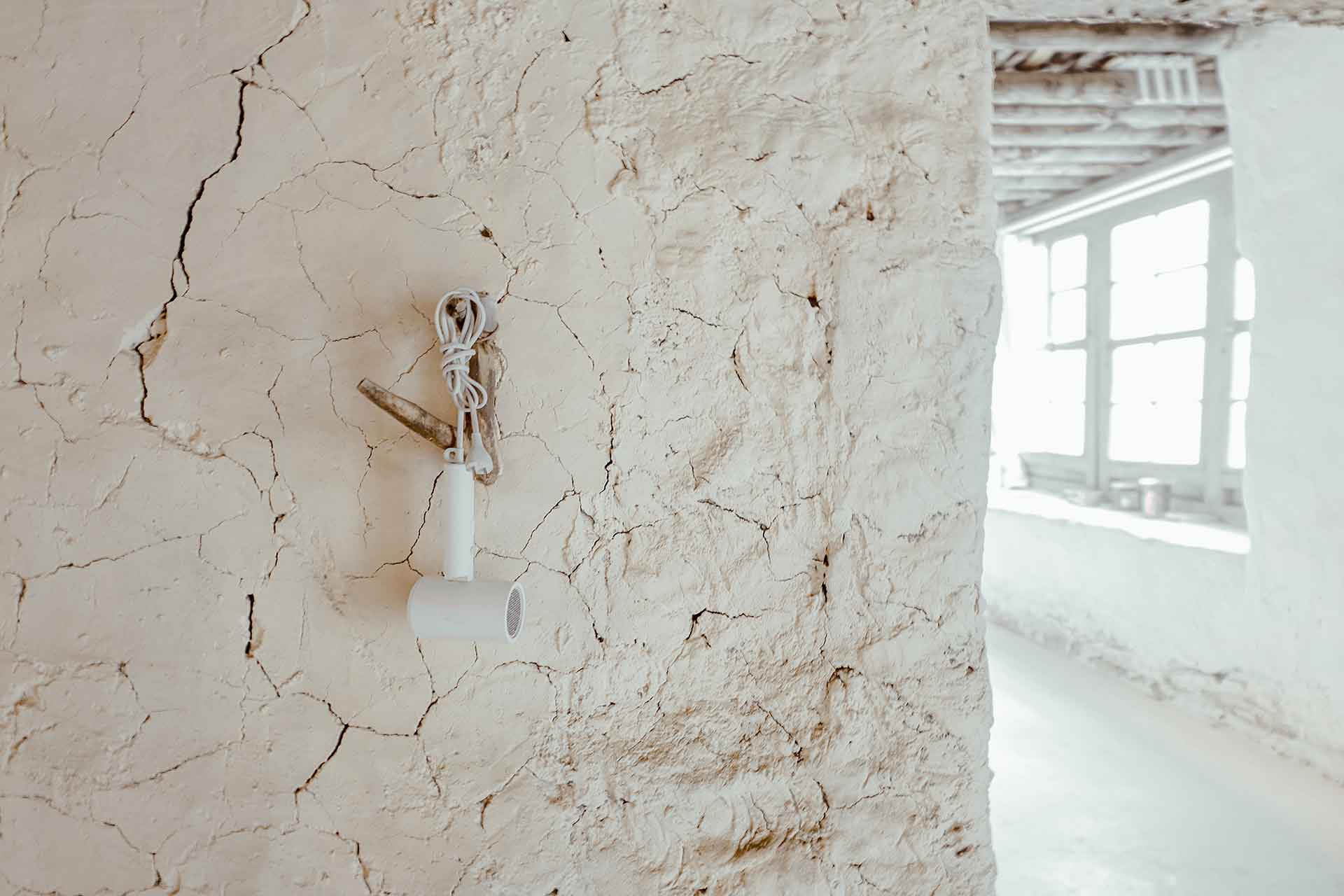
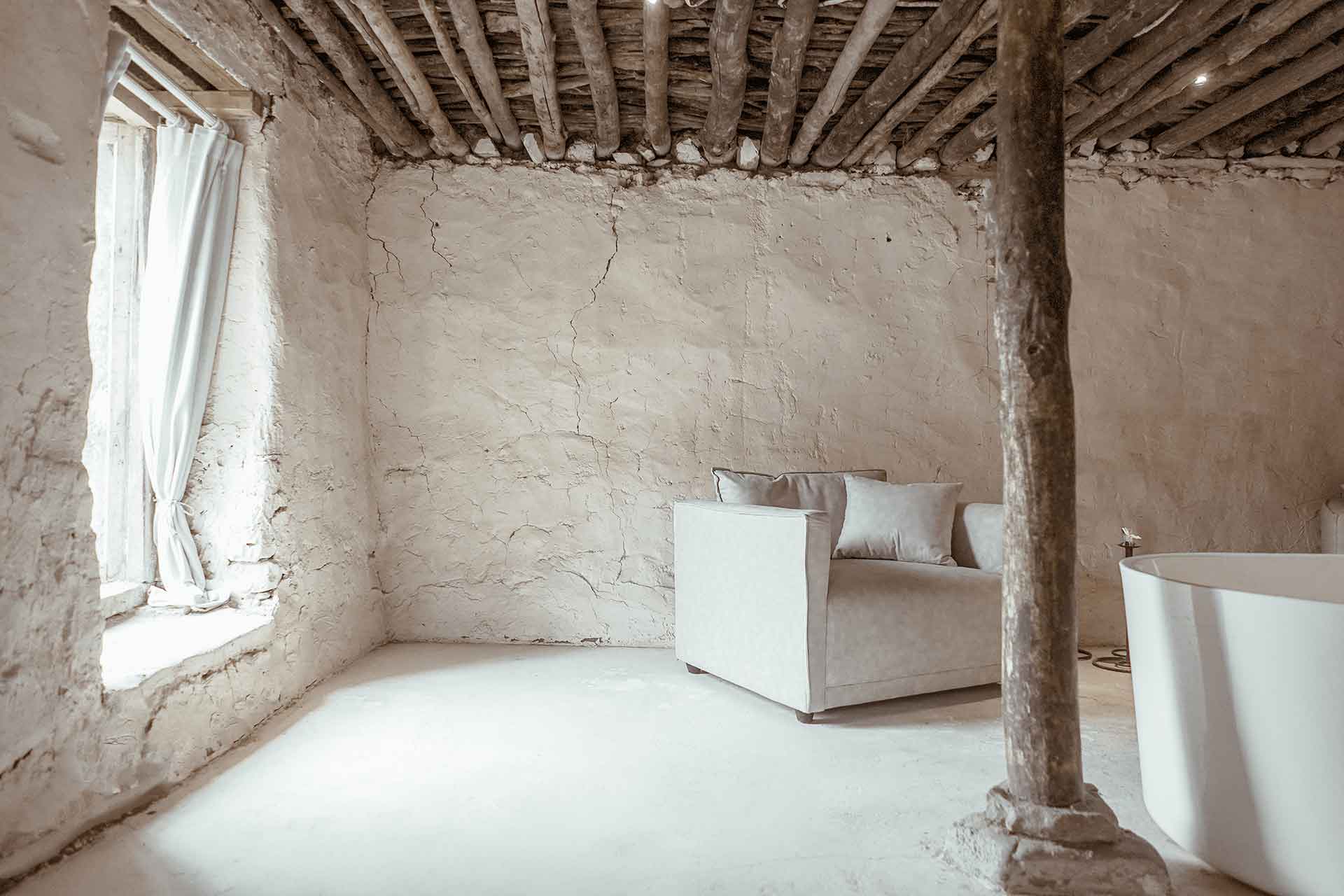
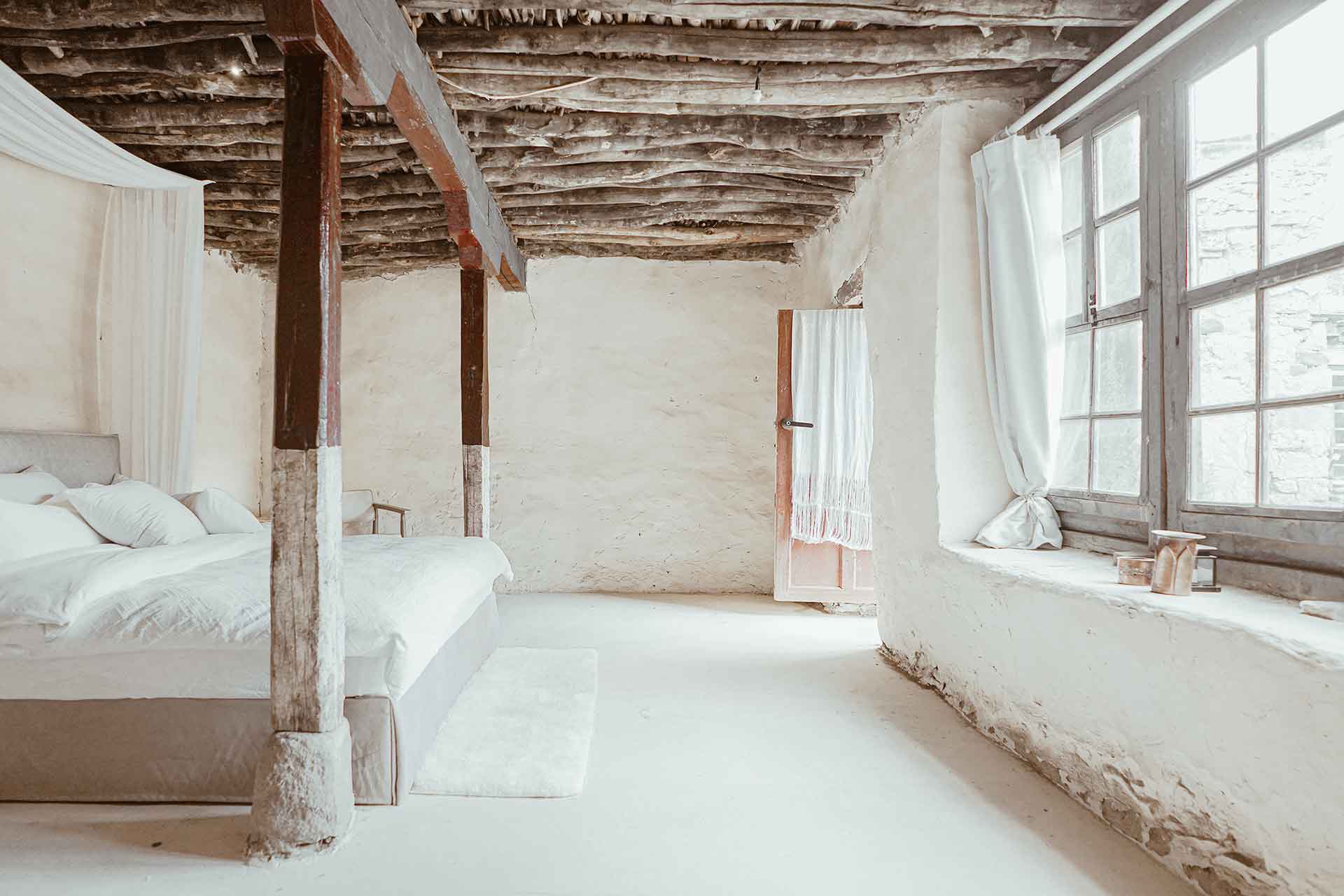
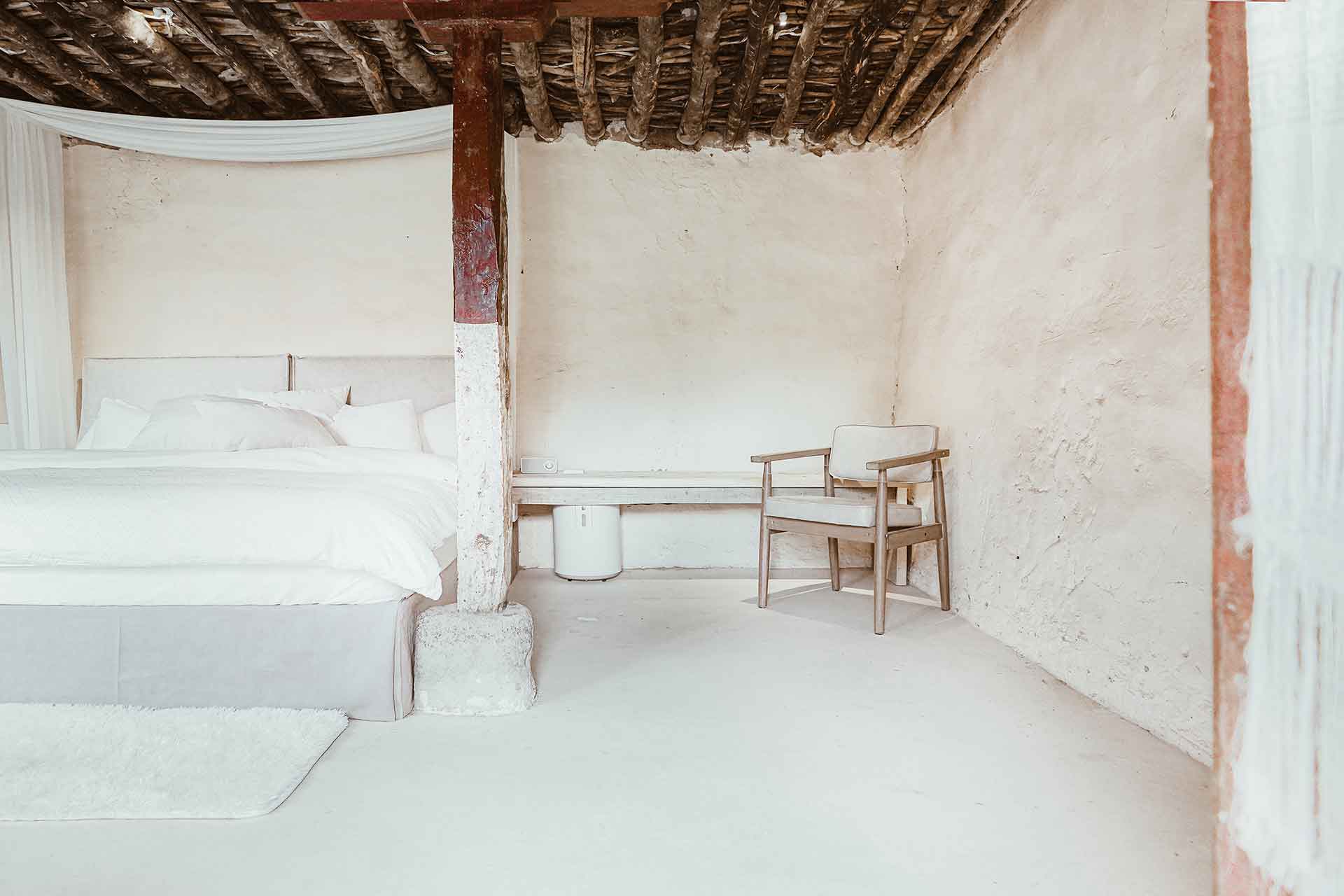
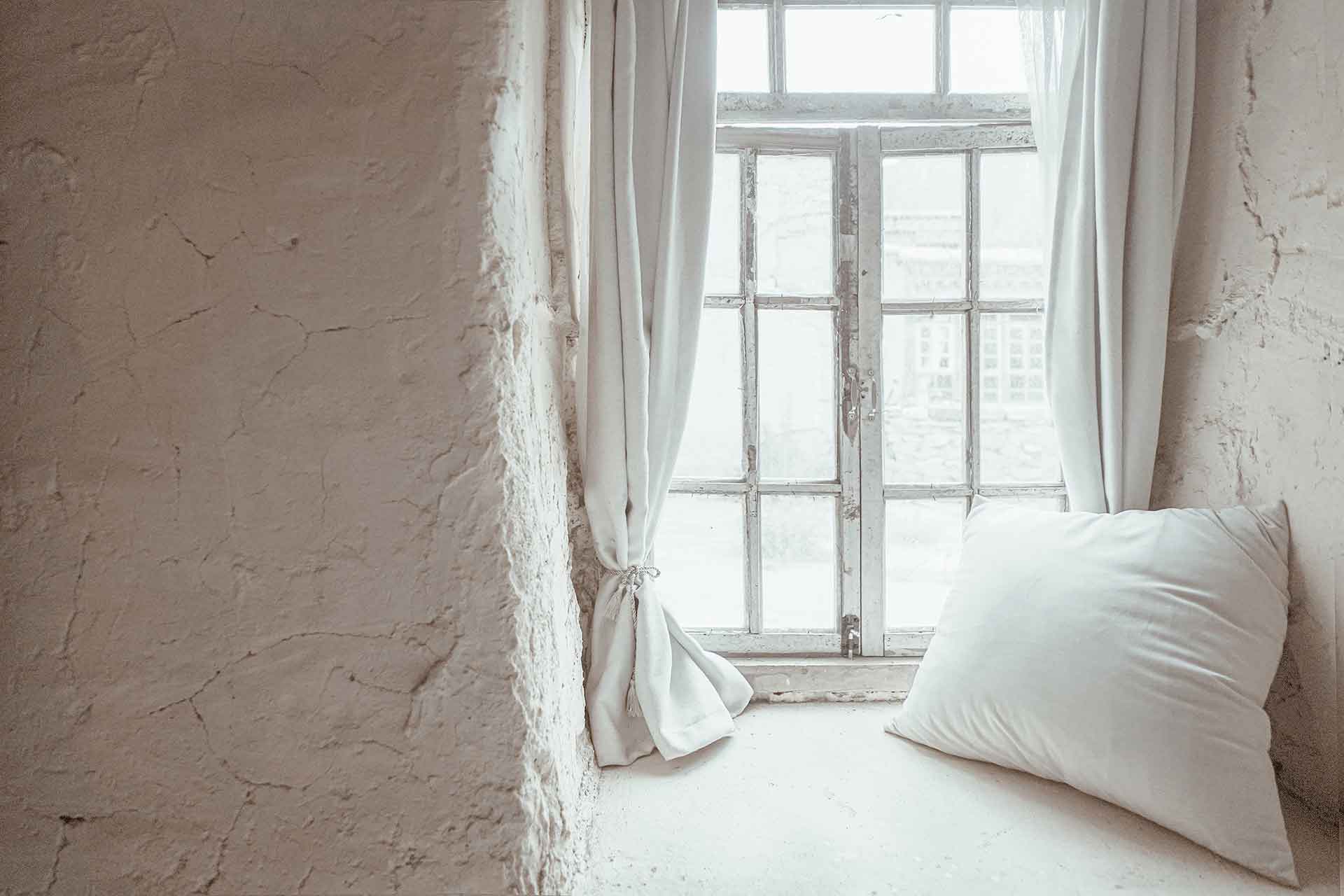
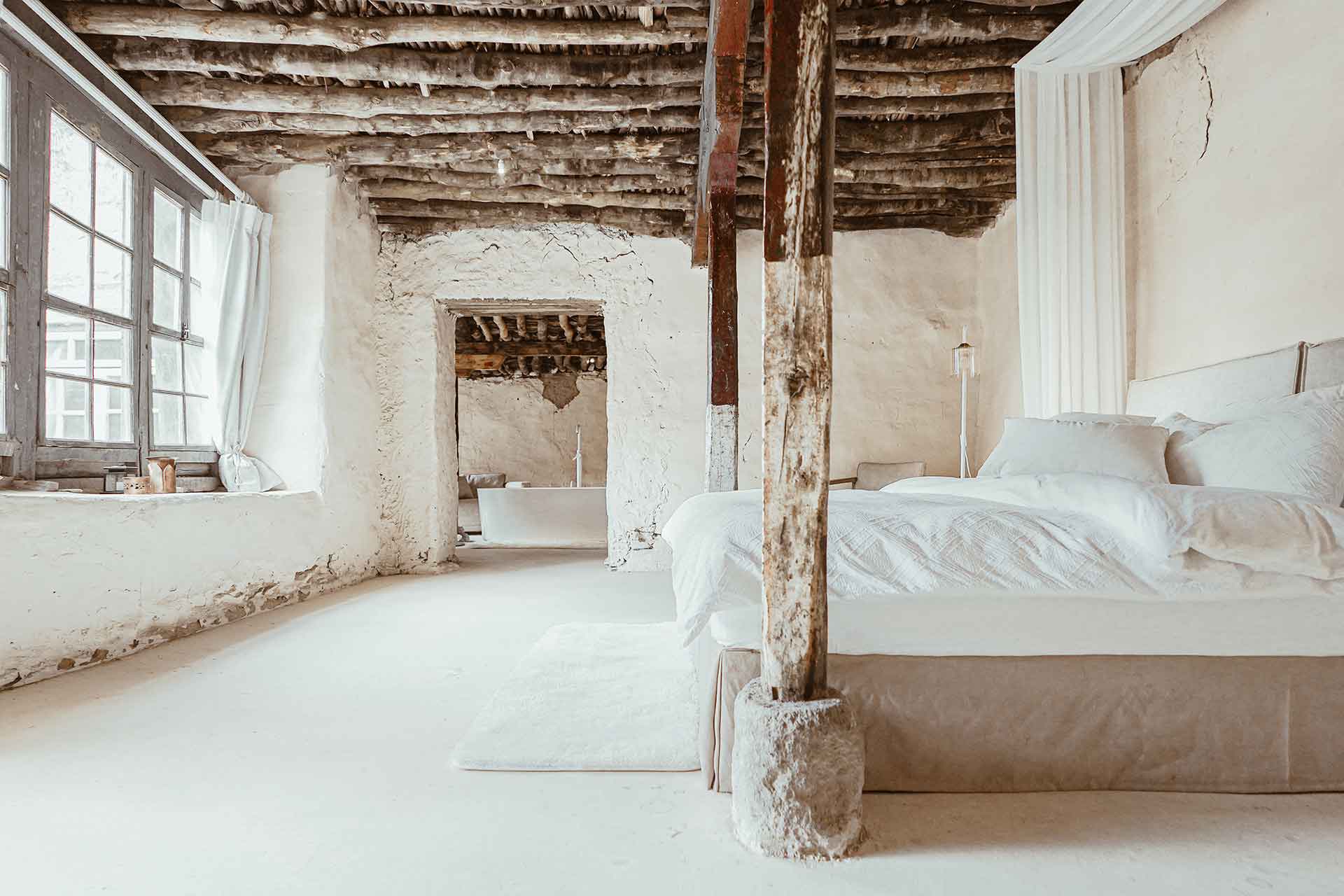
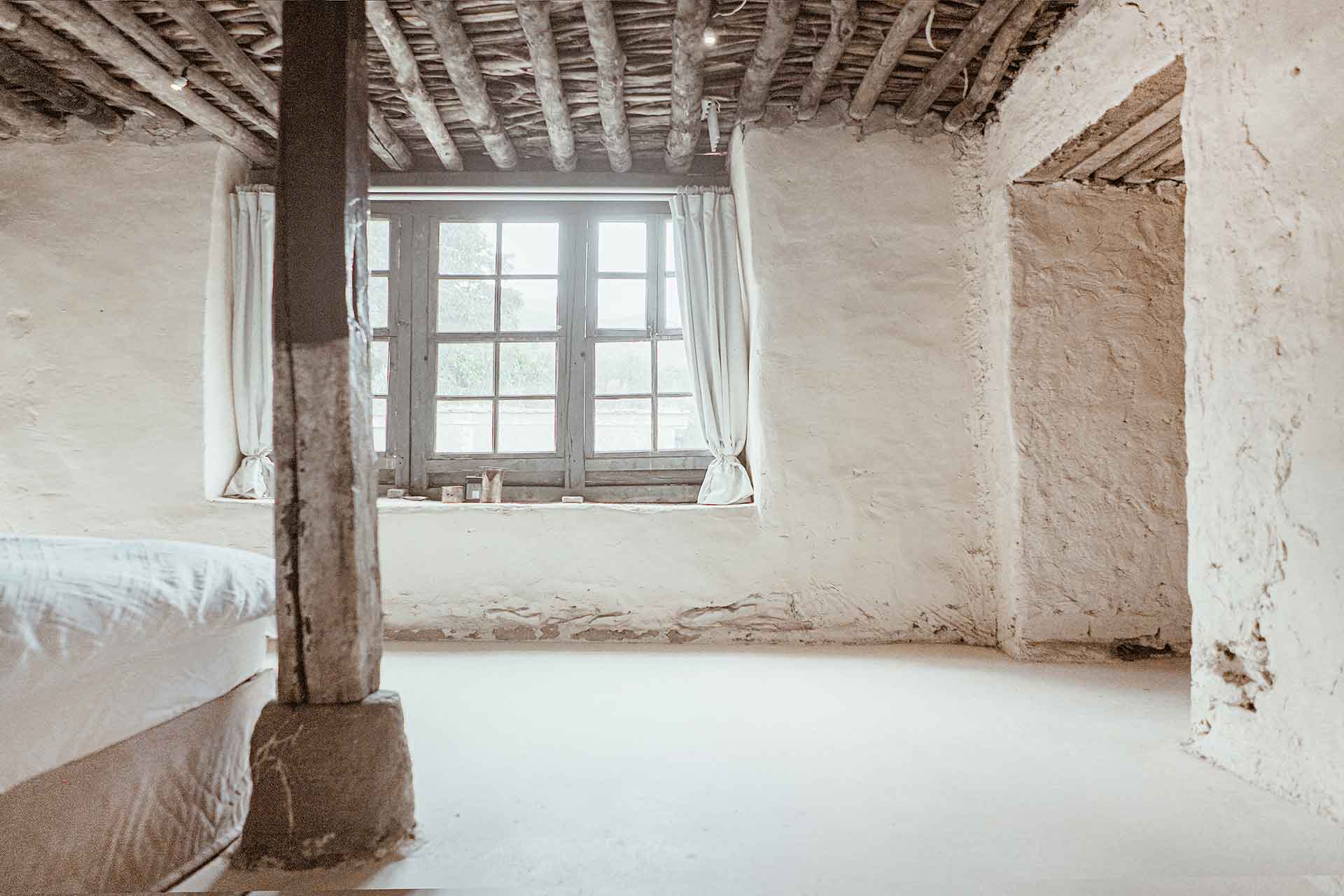
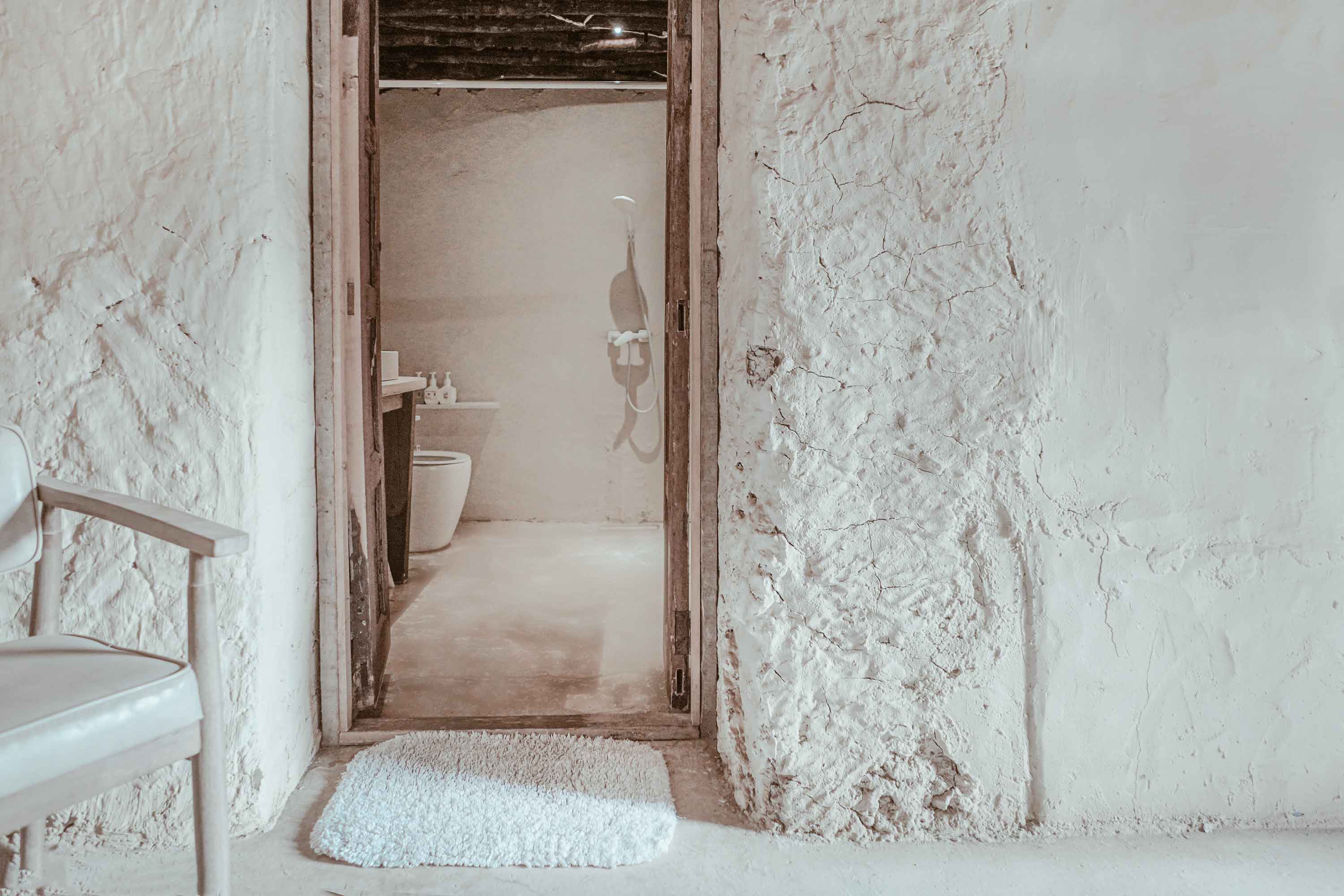
在拉萨河南岸的山脚处,一座约4600平方米的古老院落静守时光——HIDDEN PLACE守卫城。这处珍贵的遗存,是拉萨市区内罕有的、依然保持原始构筑的传统民居,其历史可追溯三百余年。建筑全部由就地取材的石头、泥土和木材建成,凝结着代代相传的居住智慧与生命记忆。
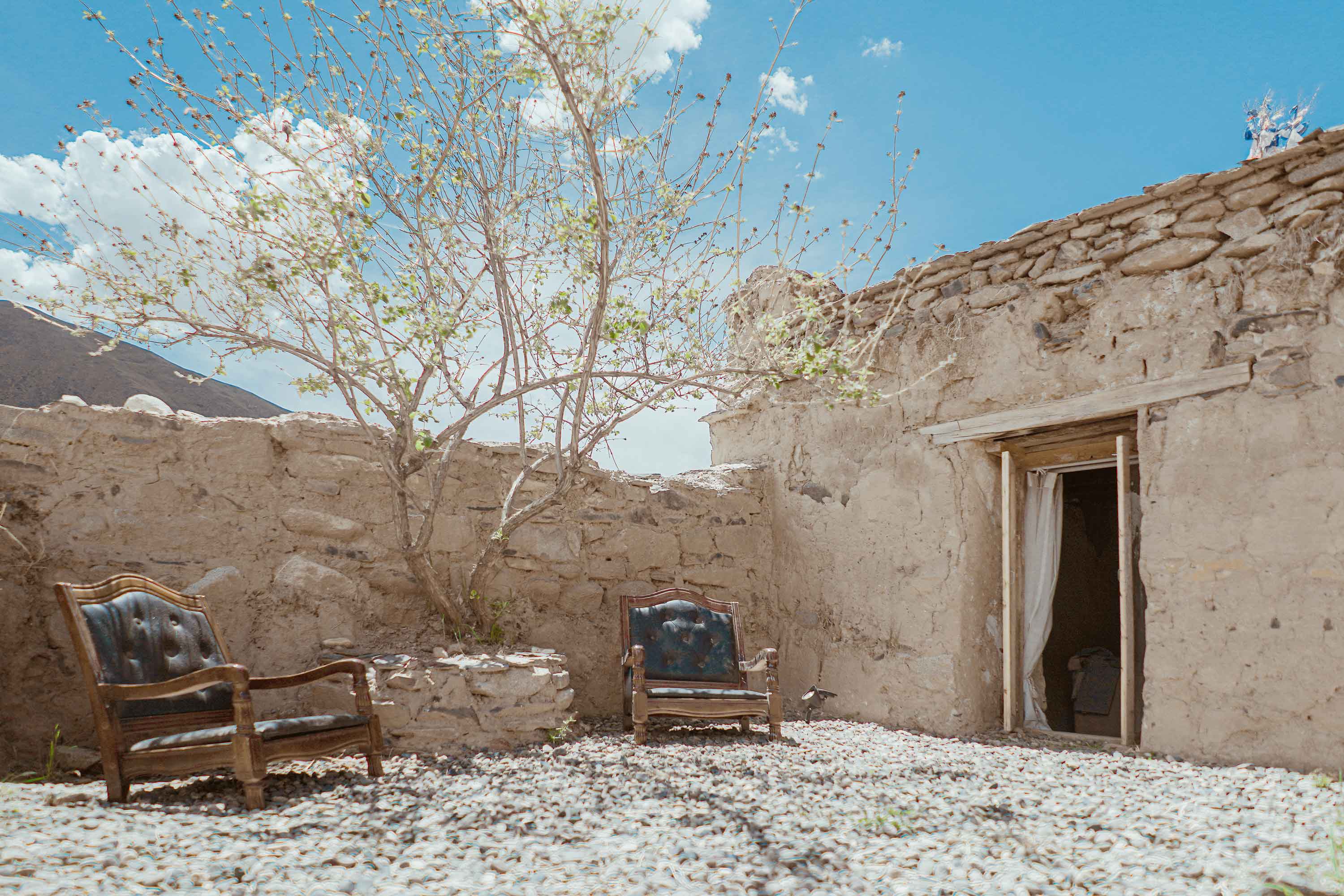
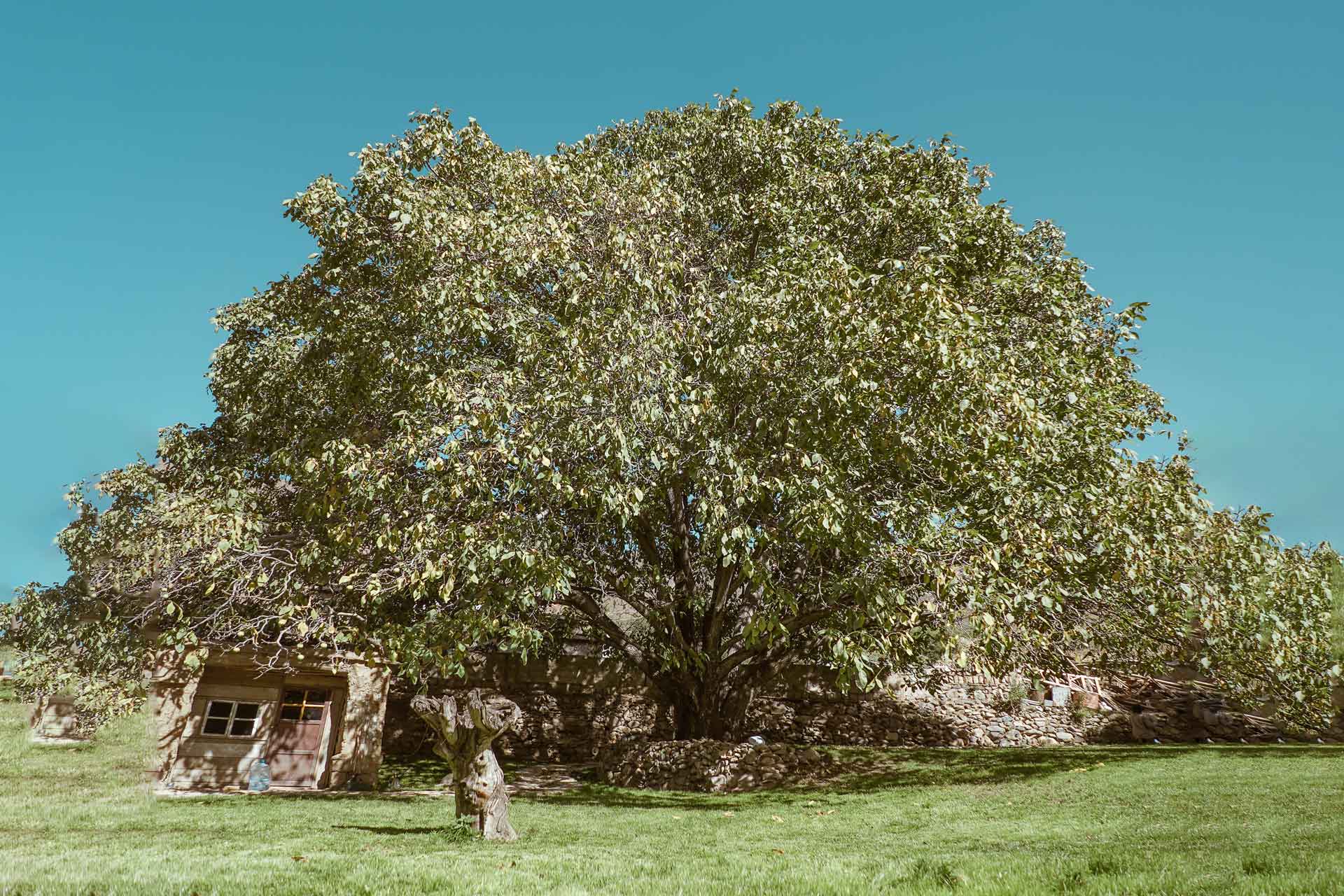
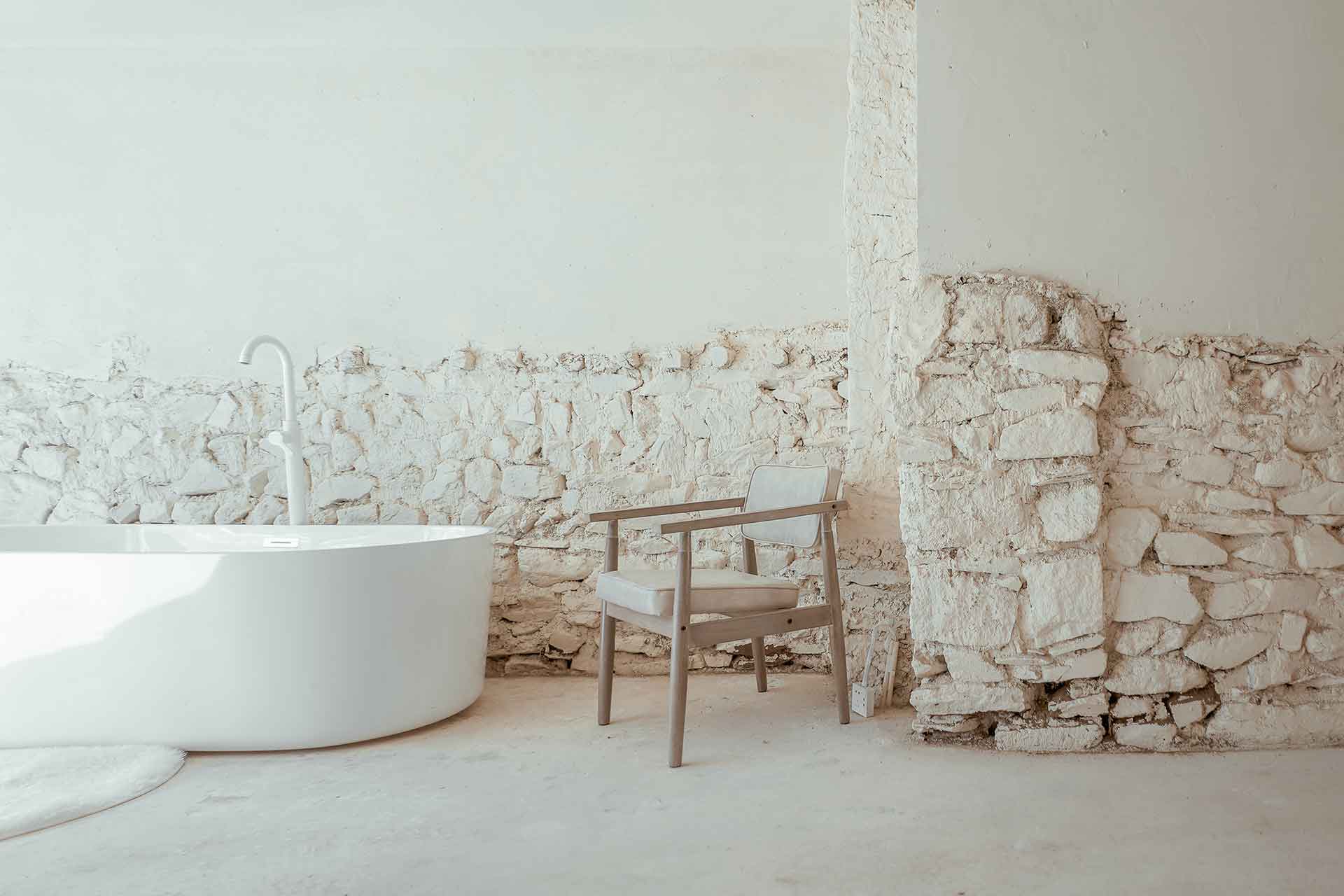
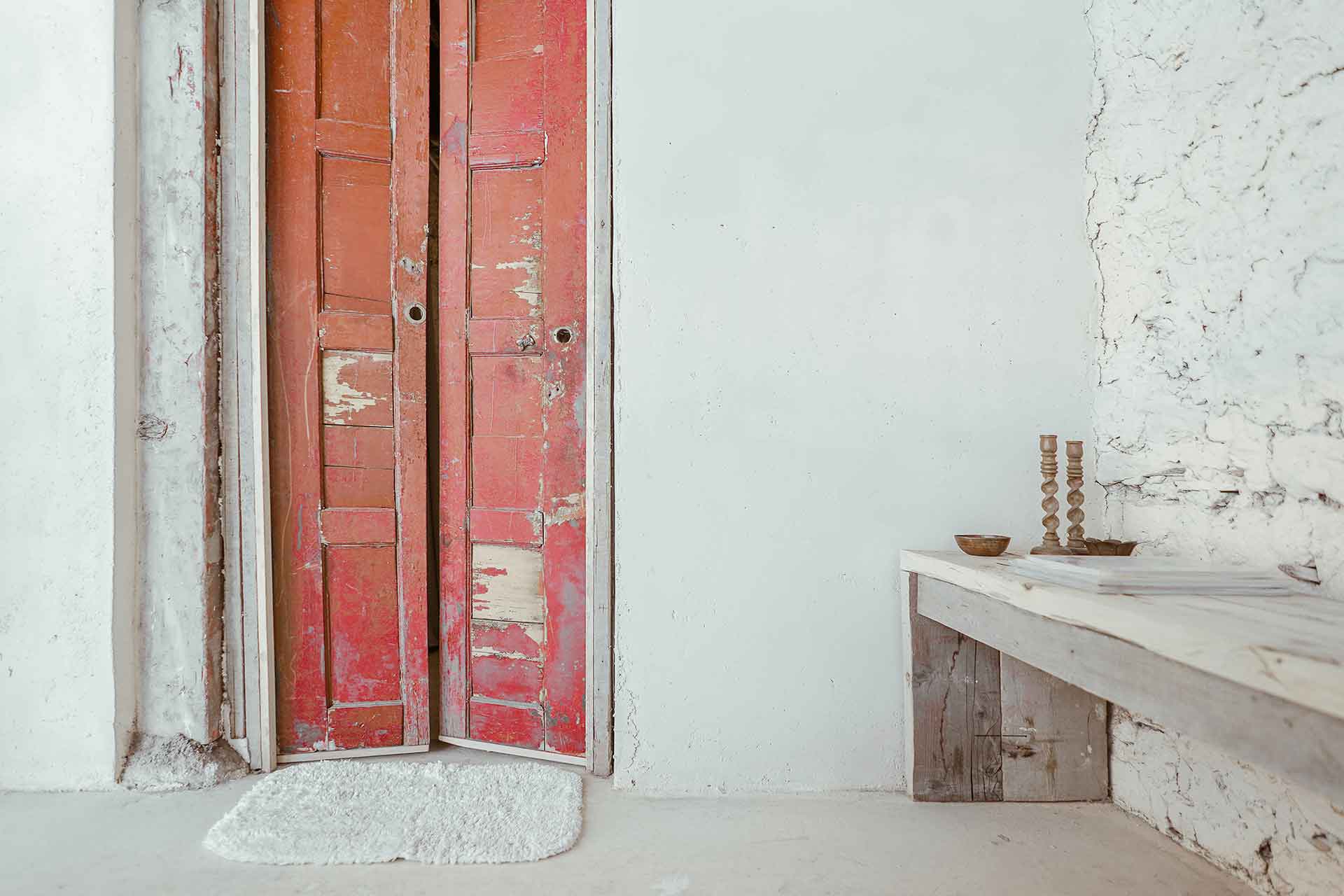
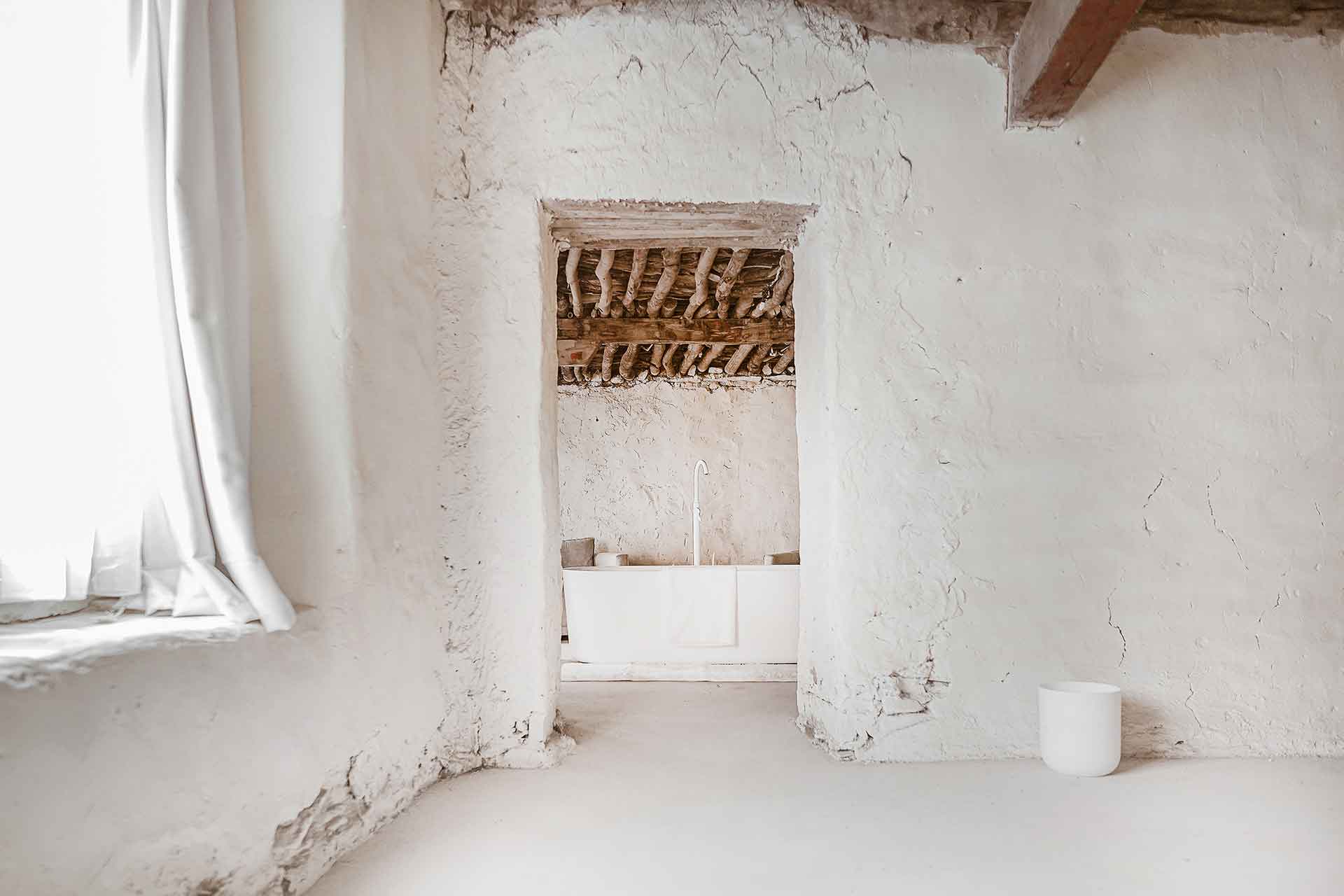
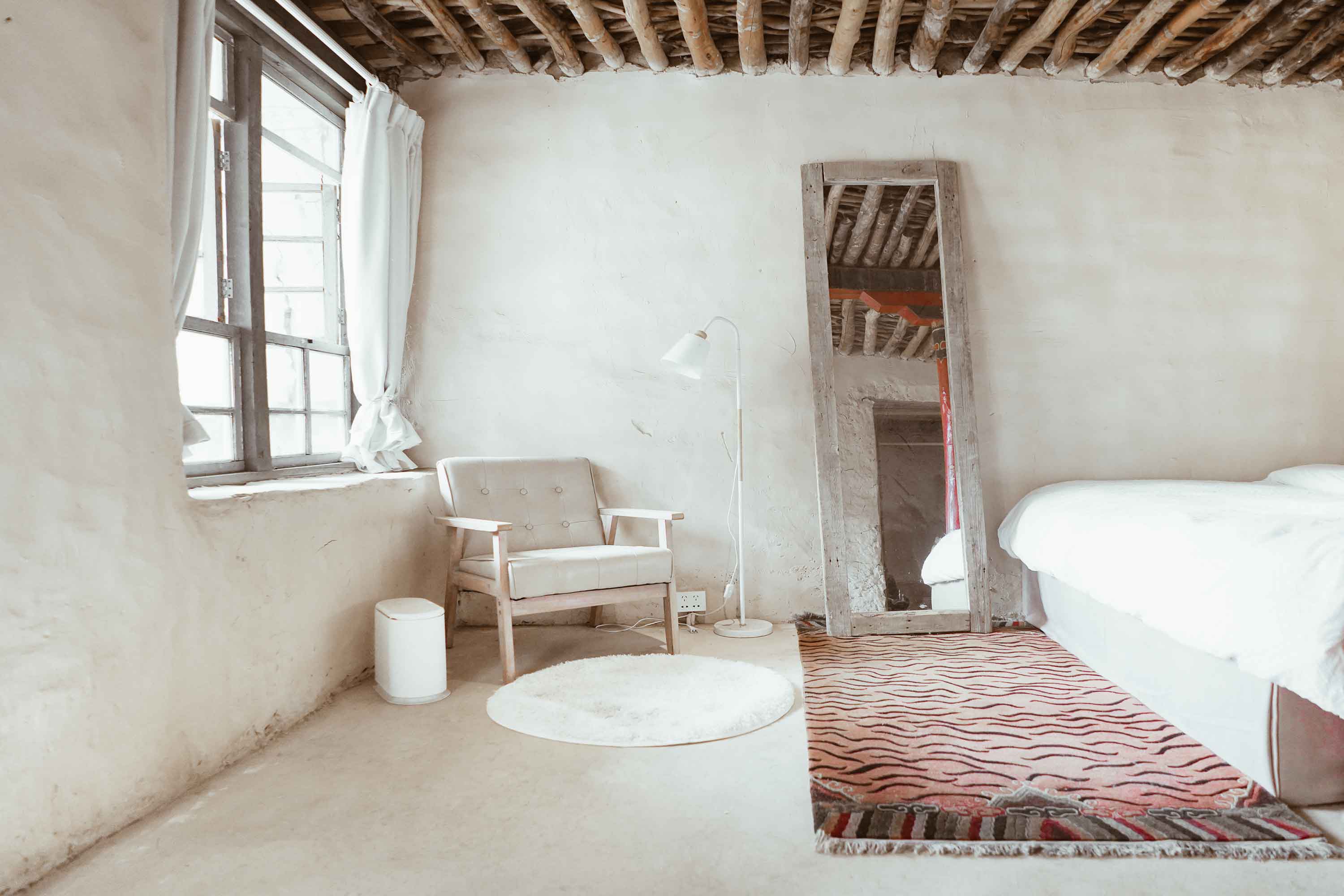
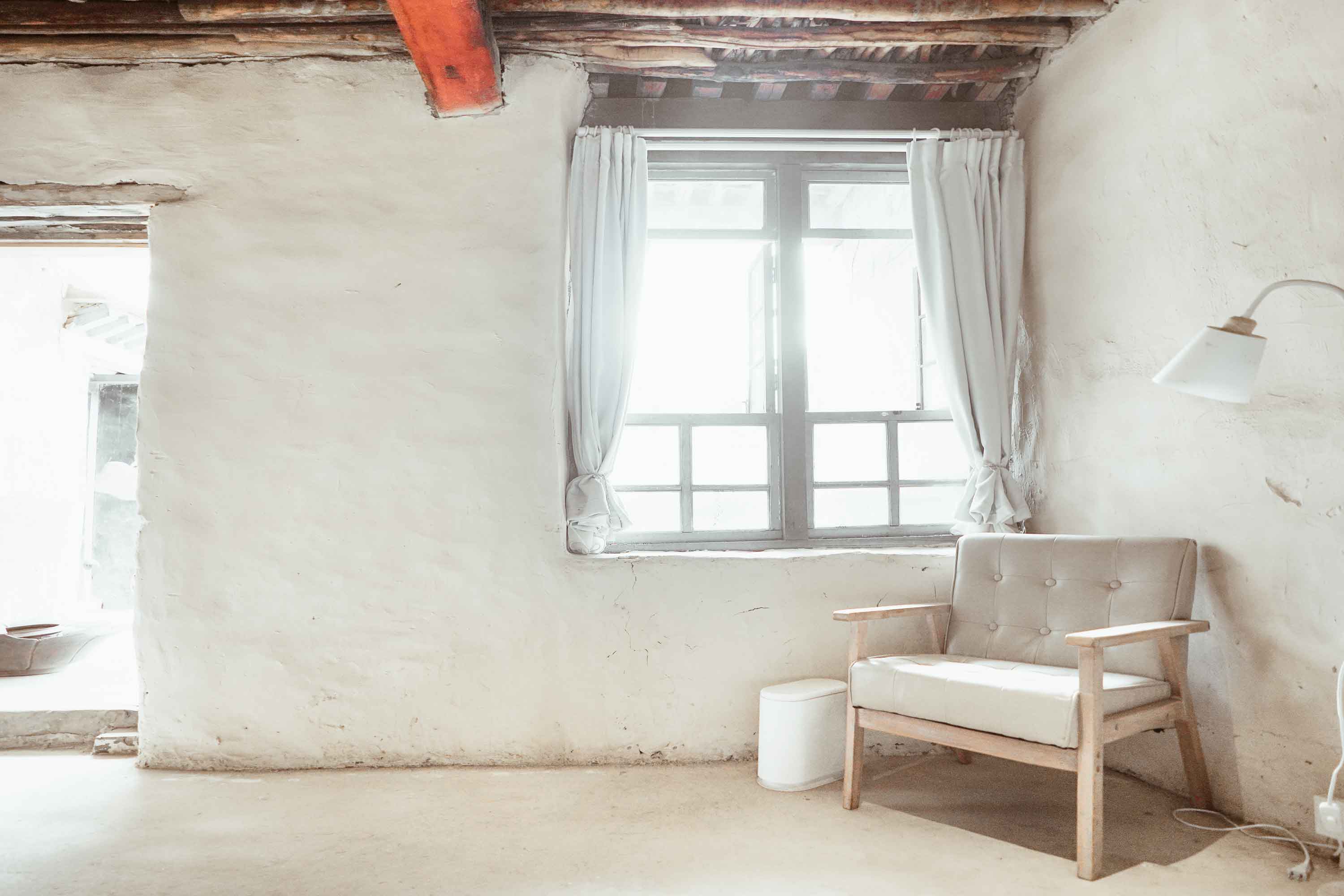
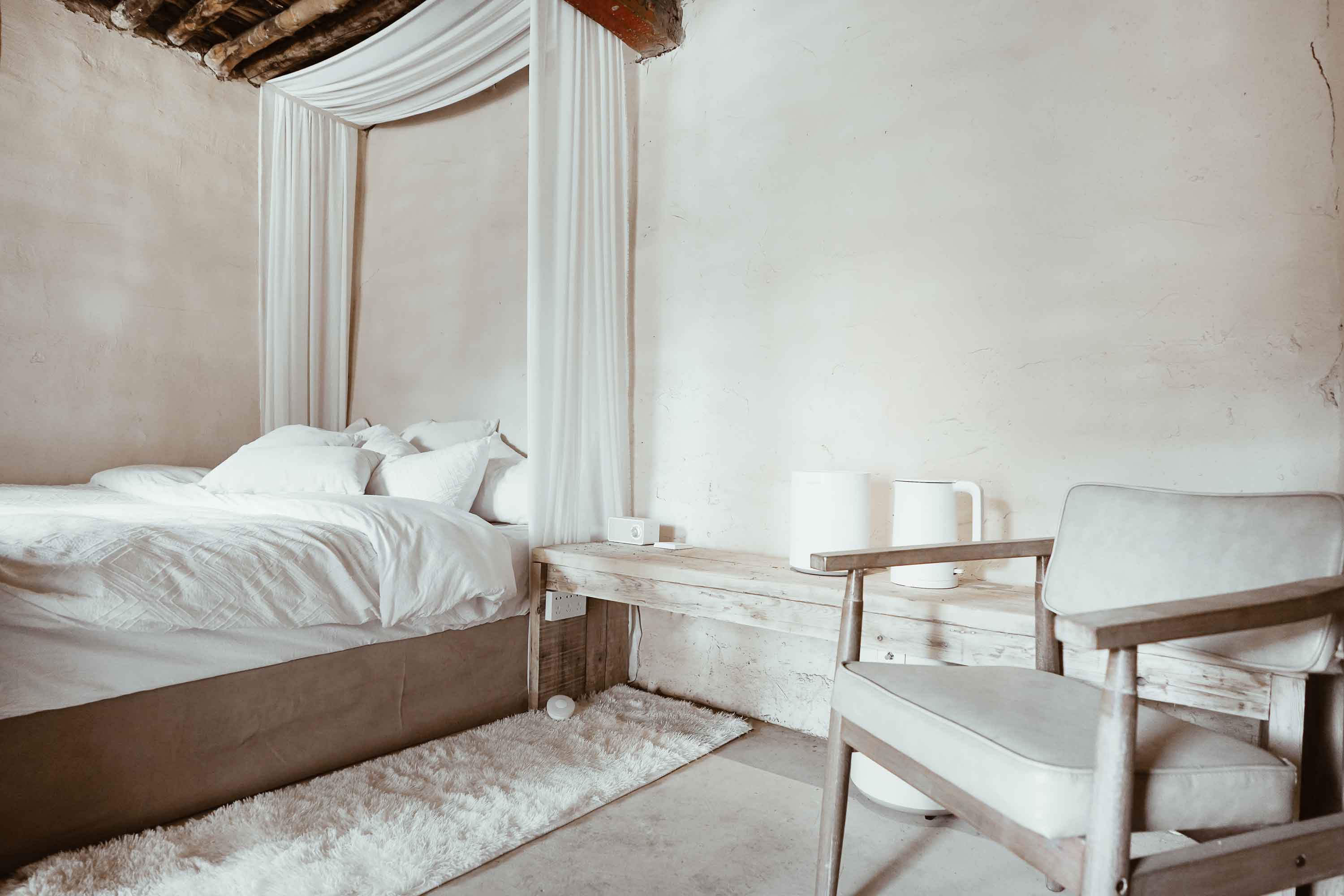
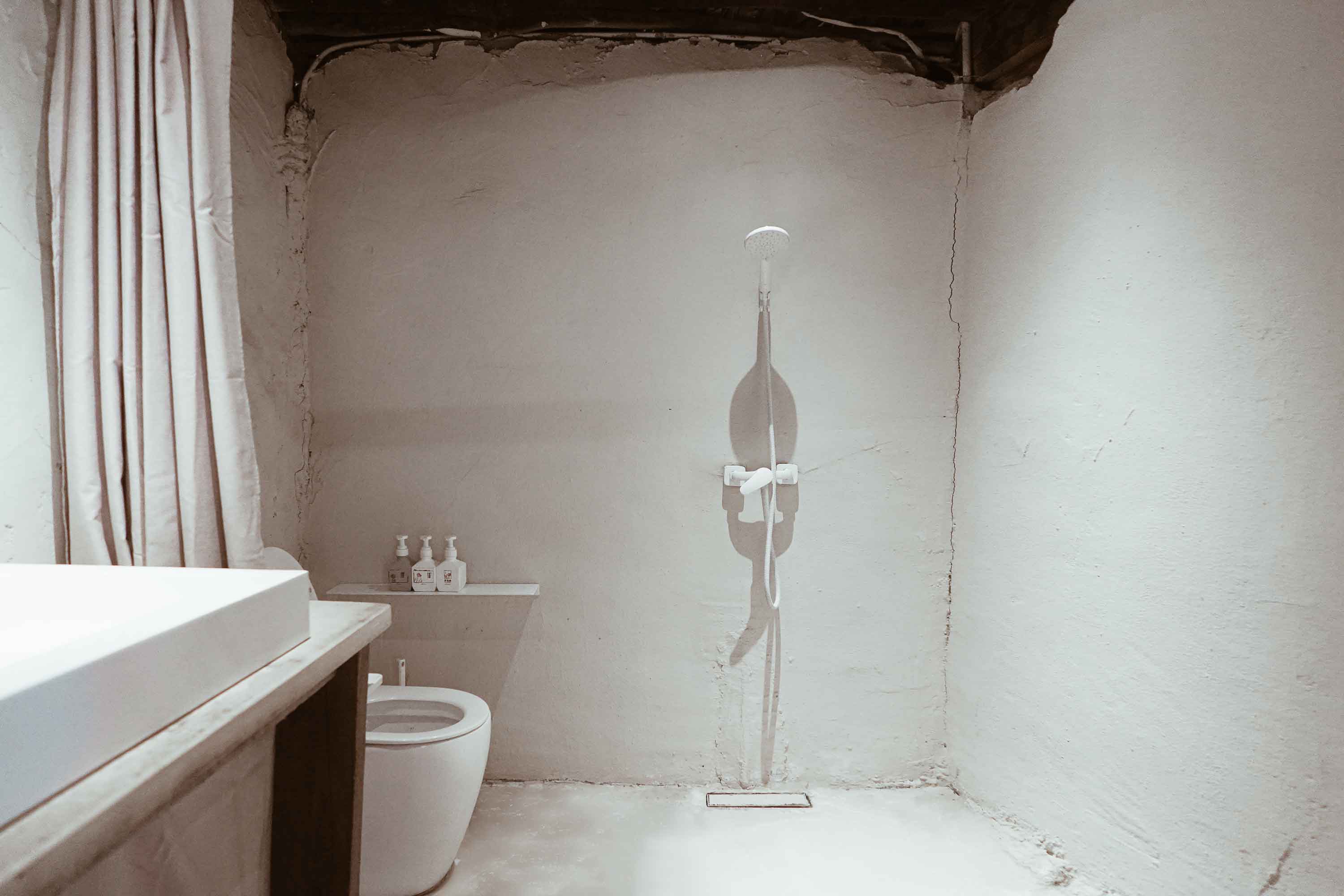
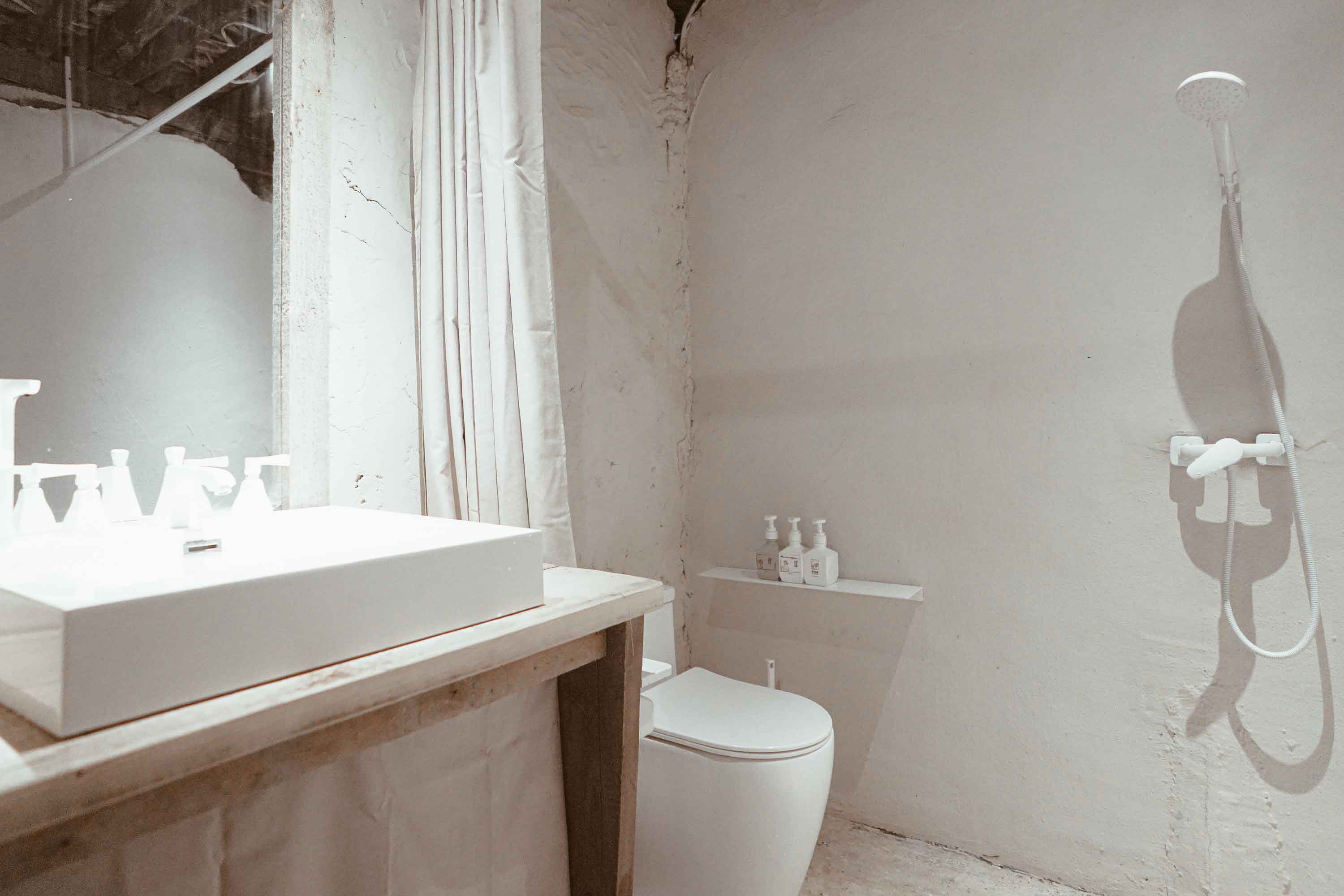
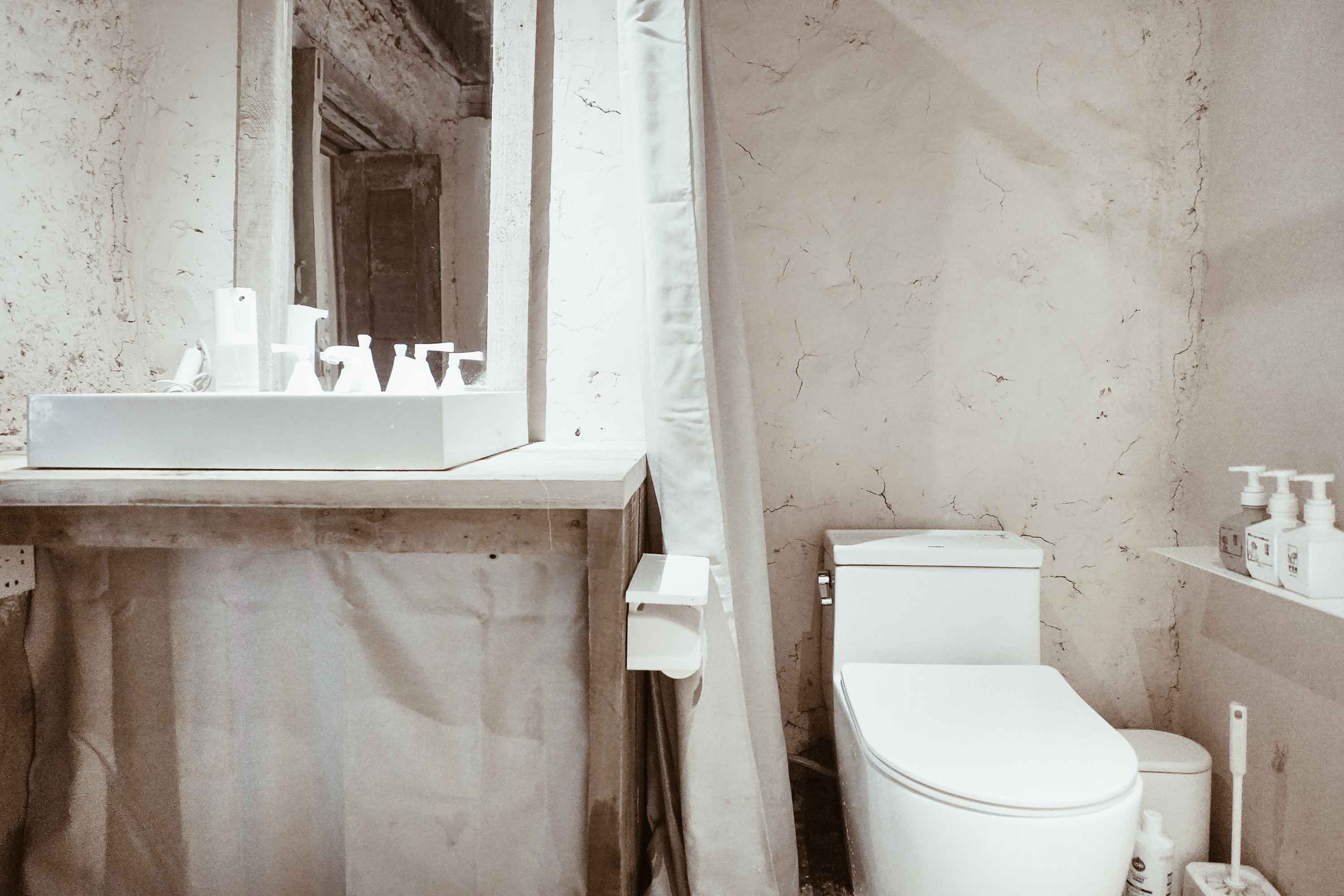
在西藏快速发展的今天,此类散落于市井的传统民居正逐渐消失。因此,我们自2020年起,以近两年时间,对其进行了一场以“修旧如旧”为灵魂的改造。我们完整保留了外院那棵三百年的巨大核桃树与旧牛圈,让院中小径为其绕行。拖拉机棚化身可容纳十人的私人影院,炒青稞的半室外廊道则依原结构拓展为一间客房。所有水电设施均隐藏于后院,以维护外院与内院视觉上的统一与宁静。
At the foot of the mountain on the southern bank of the Lhasa River, an ancient courtyard spanning approximately 4,600 square meters quietly stands against time—HIDDEN PLACE. This treasured remnant is a rare example of a traditional residential structure within Lhasa’s urban area that still maintains its original construction, dating back over 300 years. Built entirely from locally sourced stone, clay, and wood, it embodies the accumulated wisdom of generations and the memories of life.
Amidst the rapid development of Tibet today, such scattered traditional residences are gradually disappearing. Therefore, starting in 2020, we undertook a nearly two-year restoration project guided by the principle of "repairing the old as it was." We meticulously preserved the massive 300-year-old walnut tree and the old cattle pen in the outer courtyard, designing the courtyard paths to accommodate them. The tractor shed was transformed into a private cinema seating around ten people, while the semi-outdoor corridor once used for roasting barley was expanded following its original structure into a guest room. All water and electrical facilities were discreetly placed in the backyard to maintain the visual harmony and tranquility of the outer and inner courtyards.
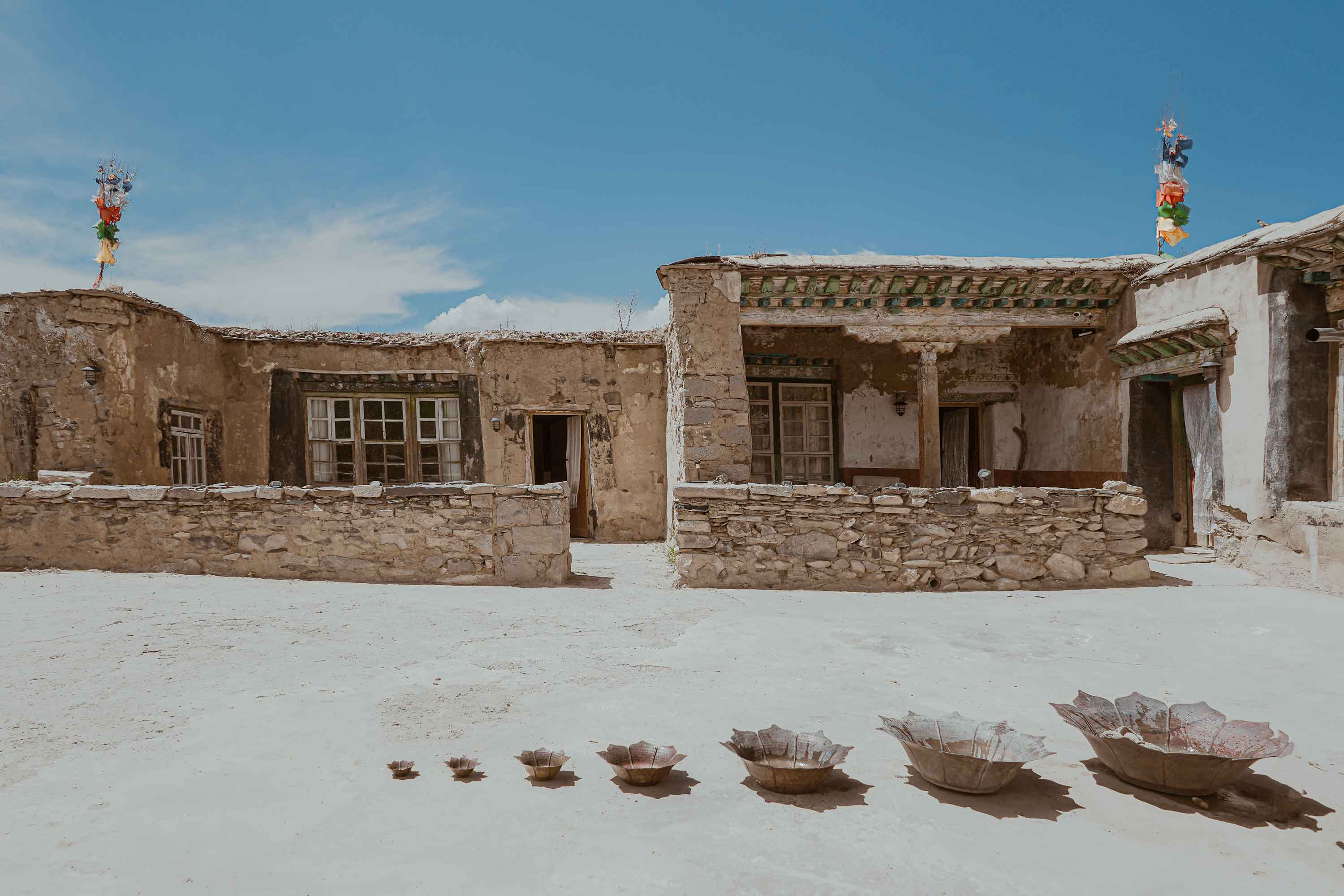
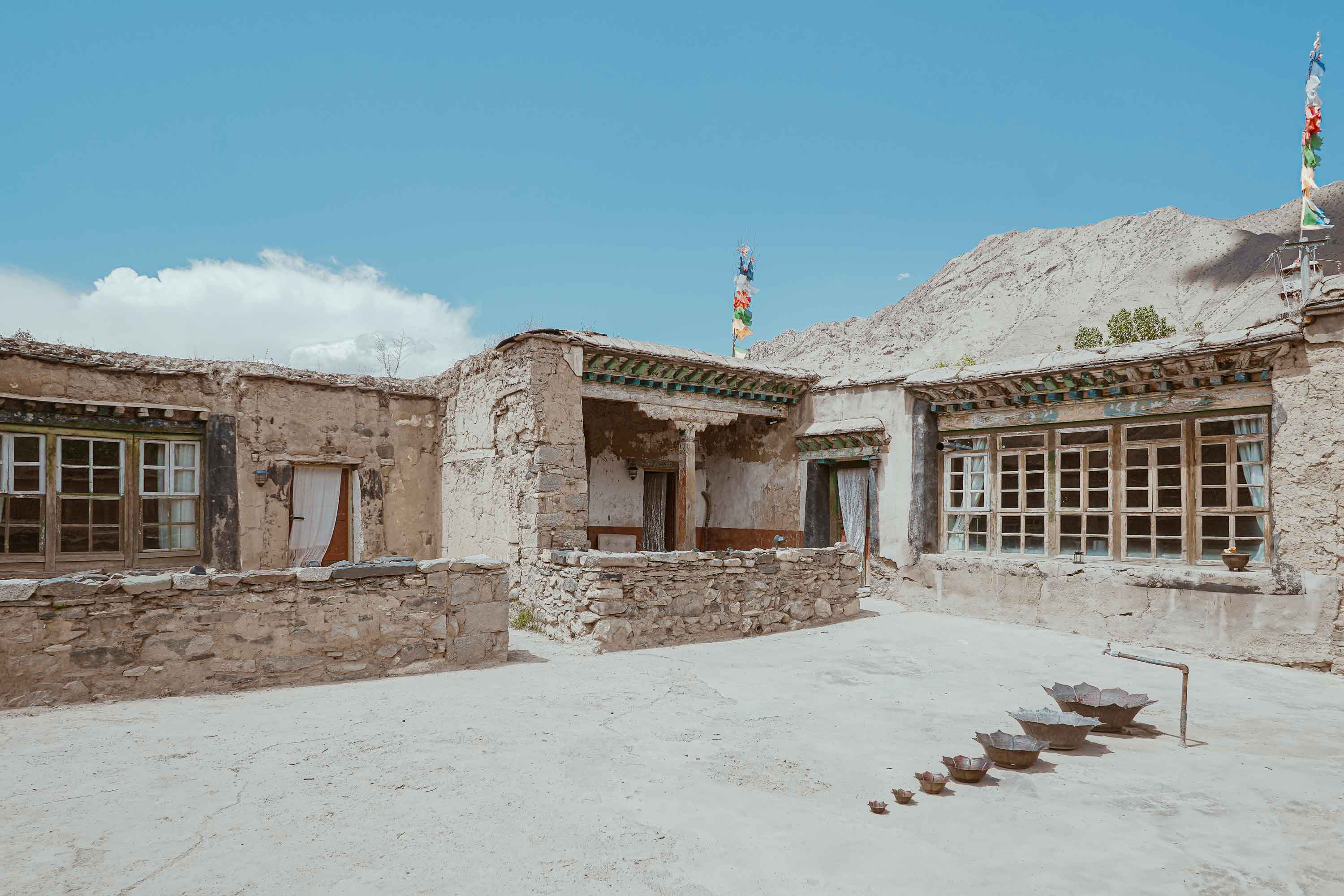
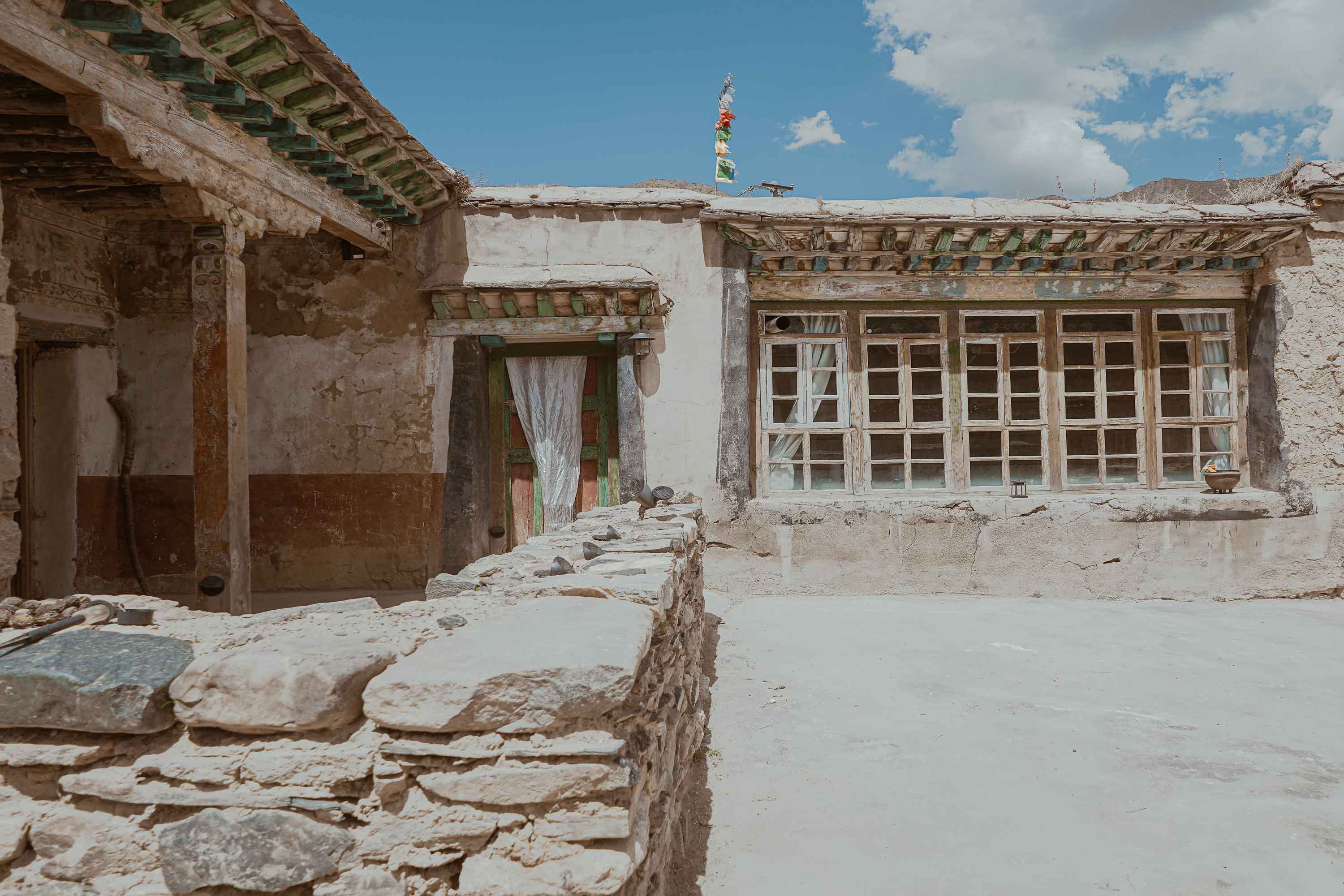
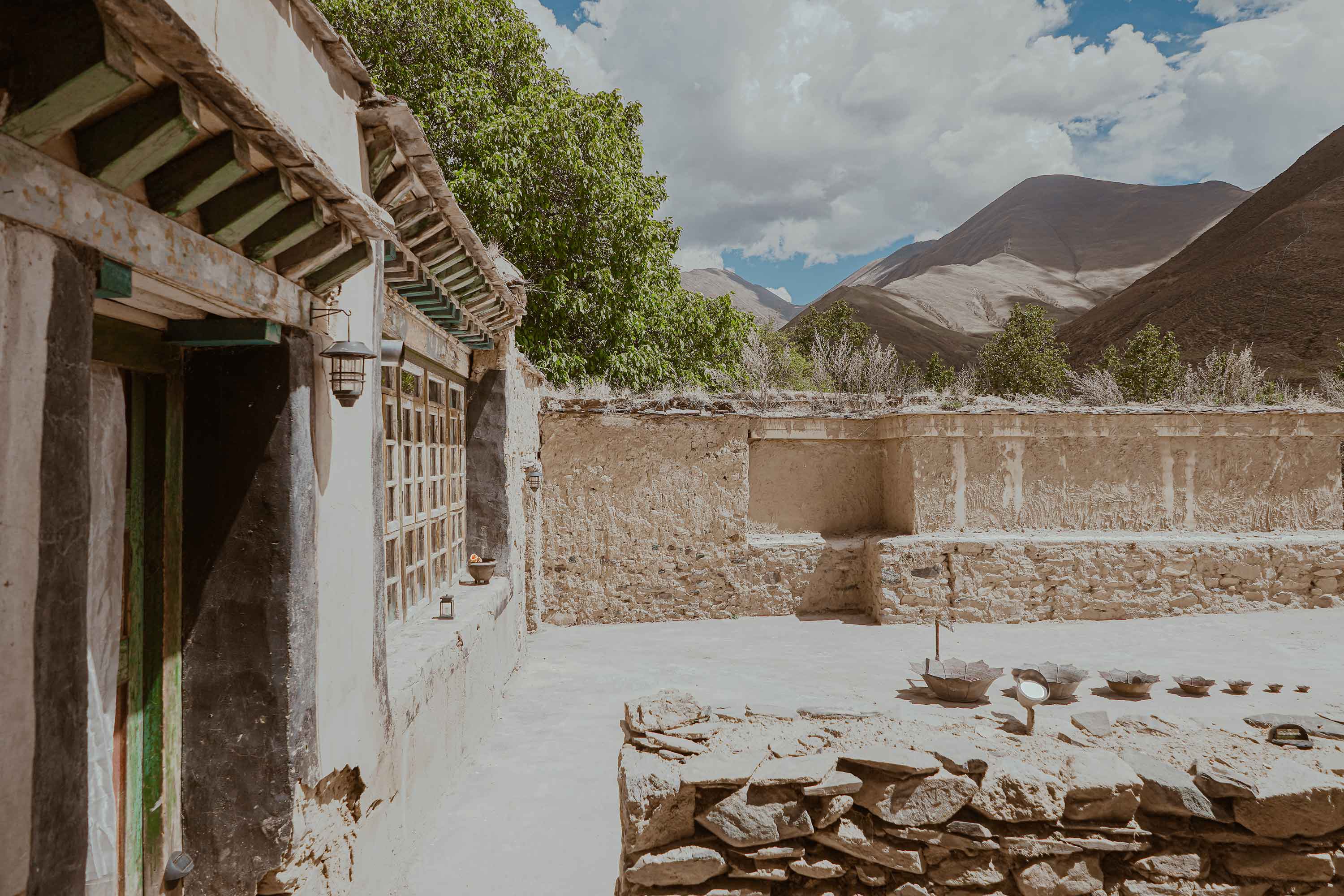
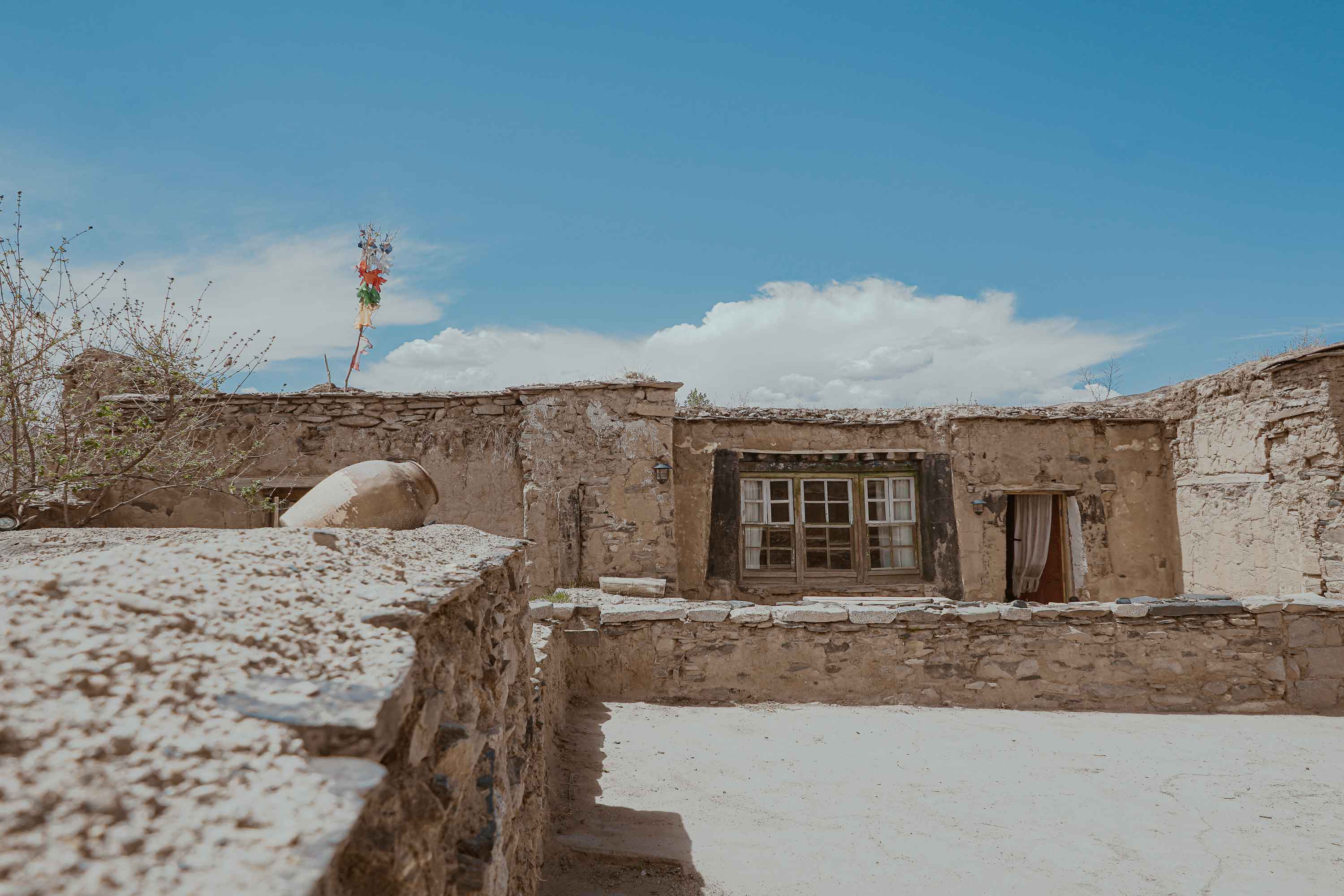
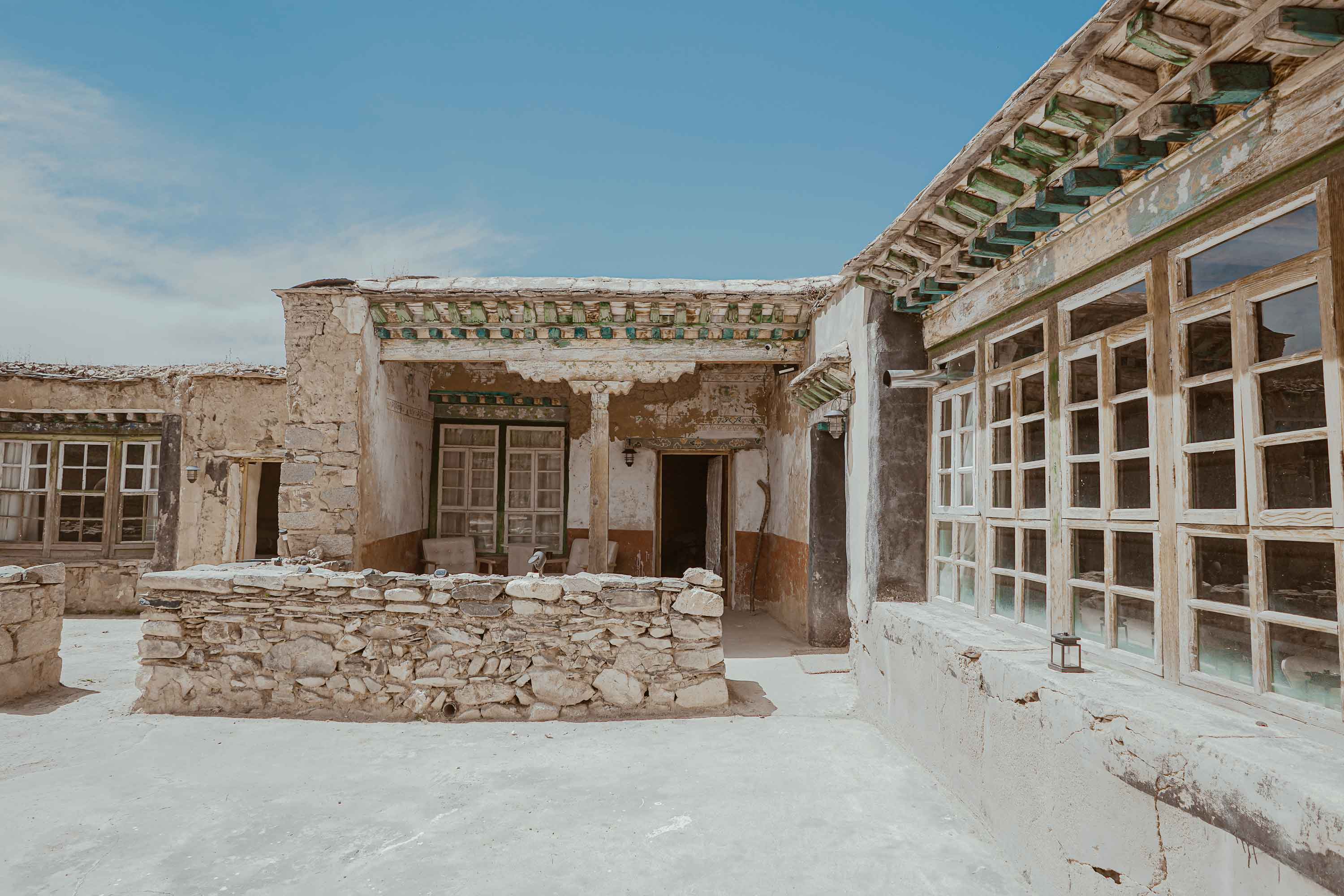
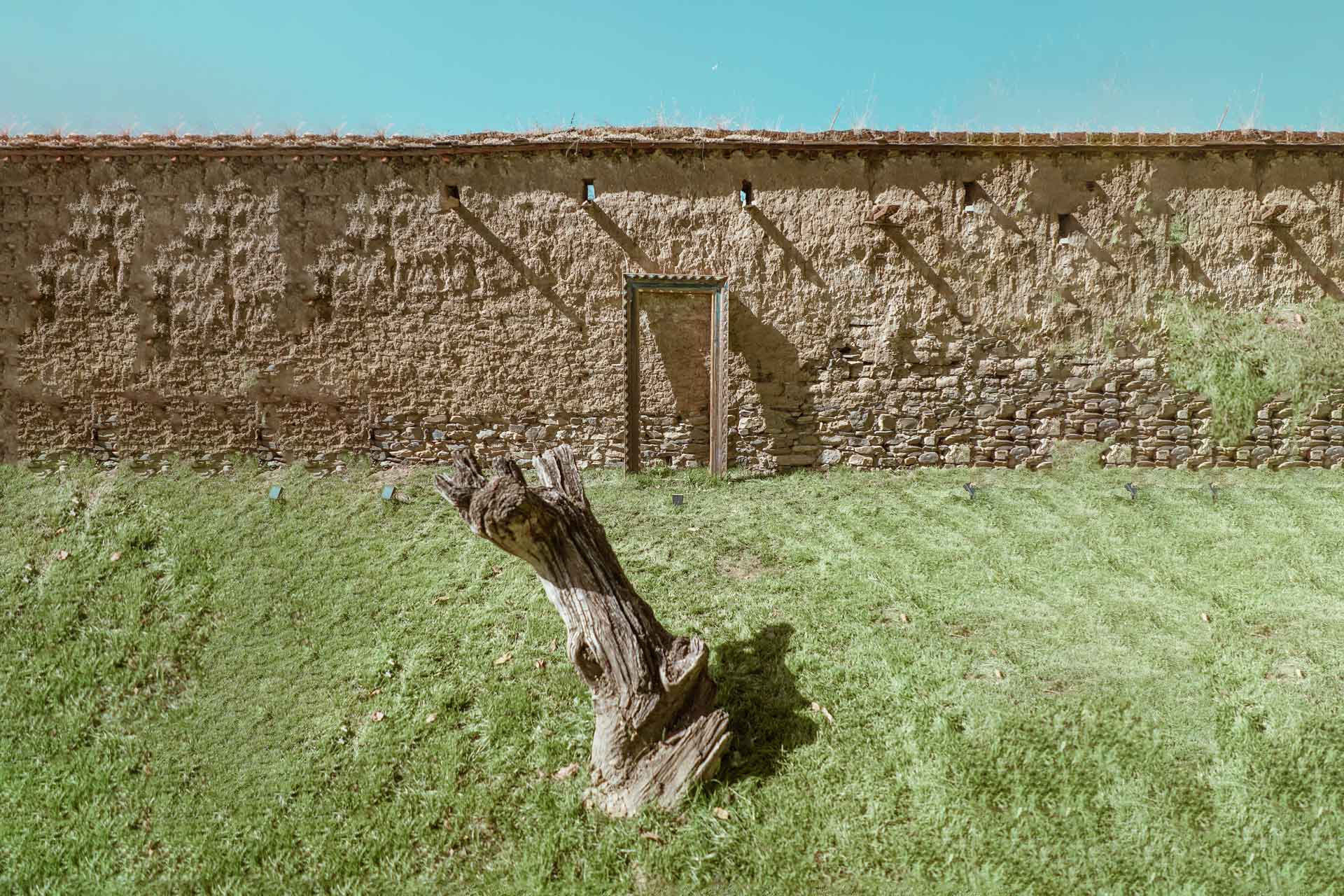
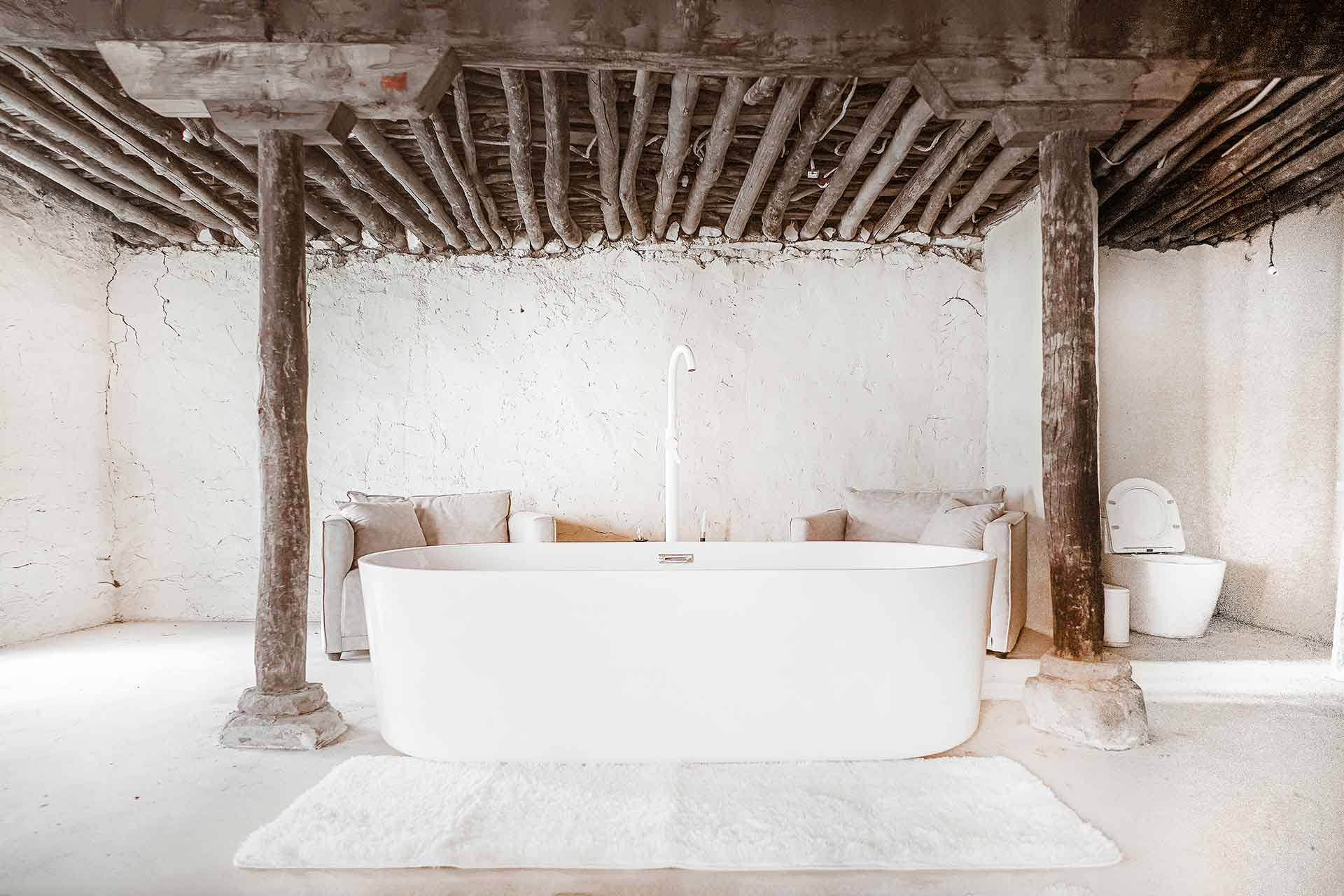
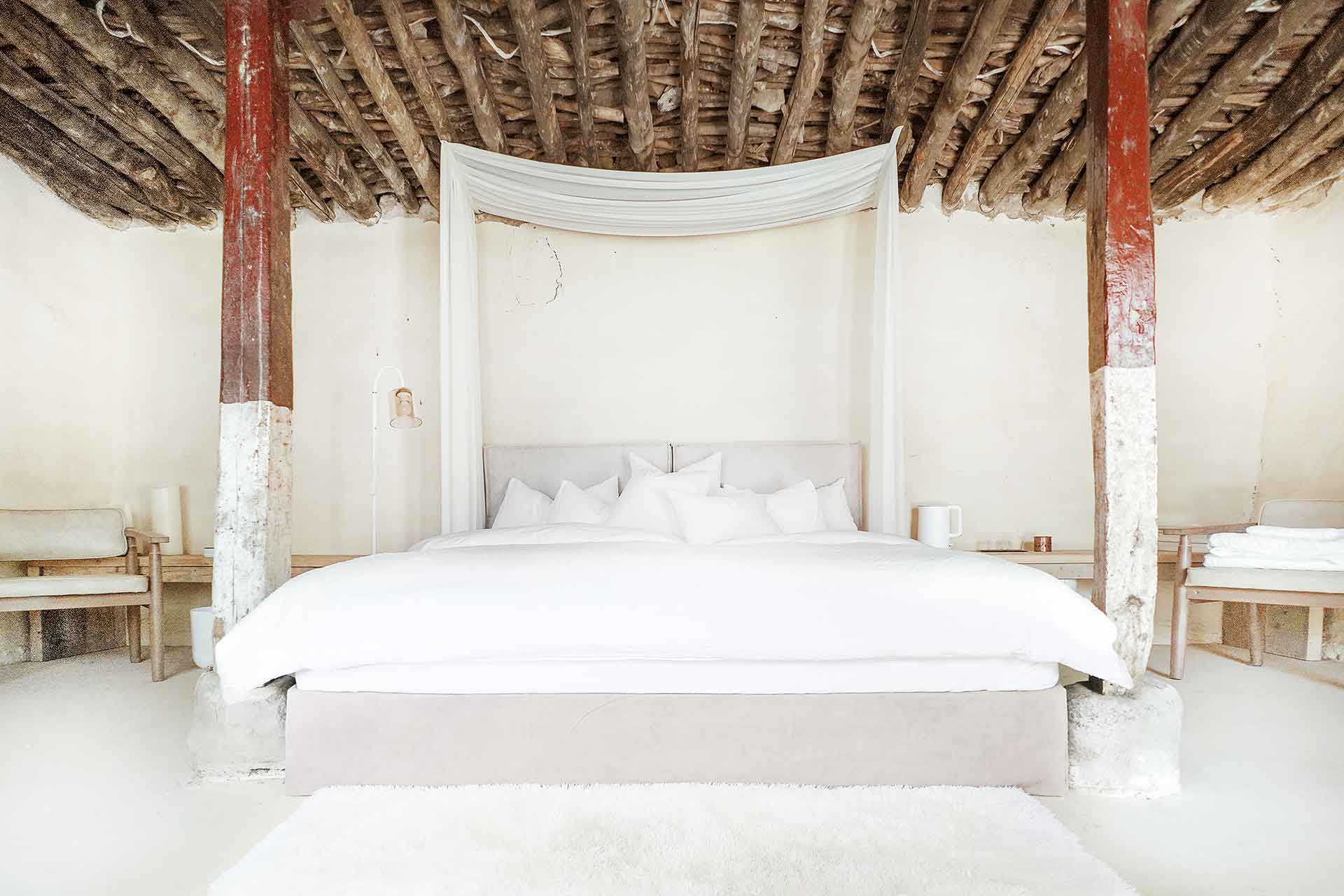
为彻底还原传统形制,所有屋顶均邀请本地村民使用古老工法修复:从第一层的交织木结构、第二层的粗颗粒碎石、第三层的细碎石,到最外层的本地黏土,每一层都延续着土地的记忆。
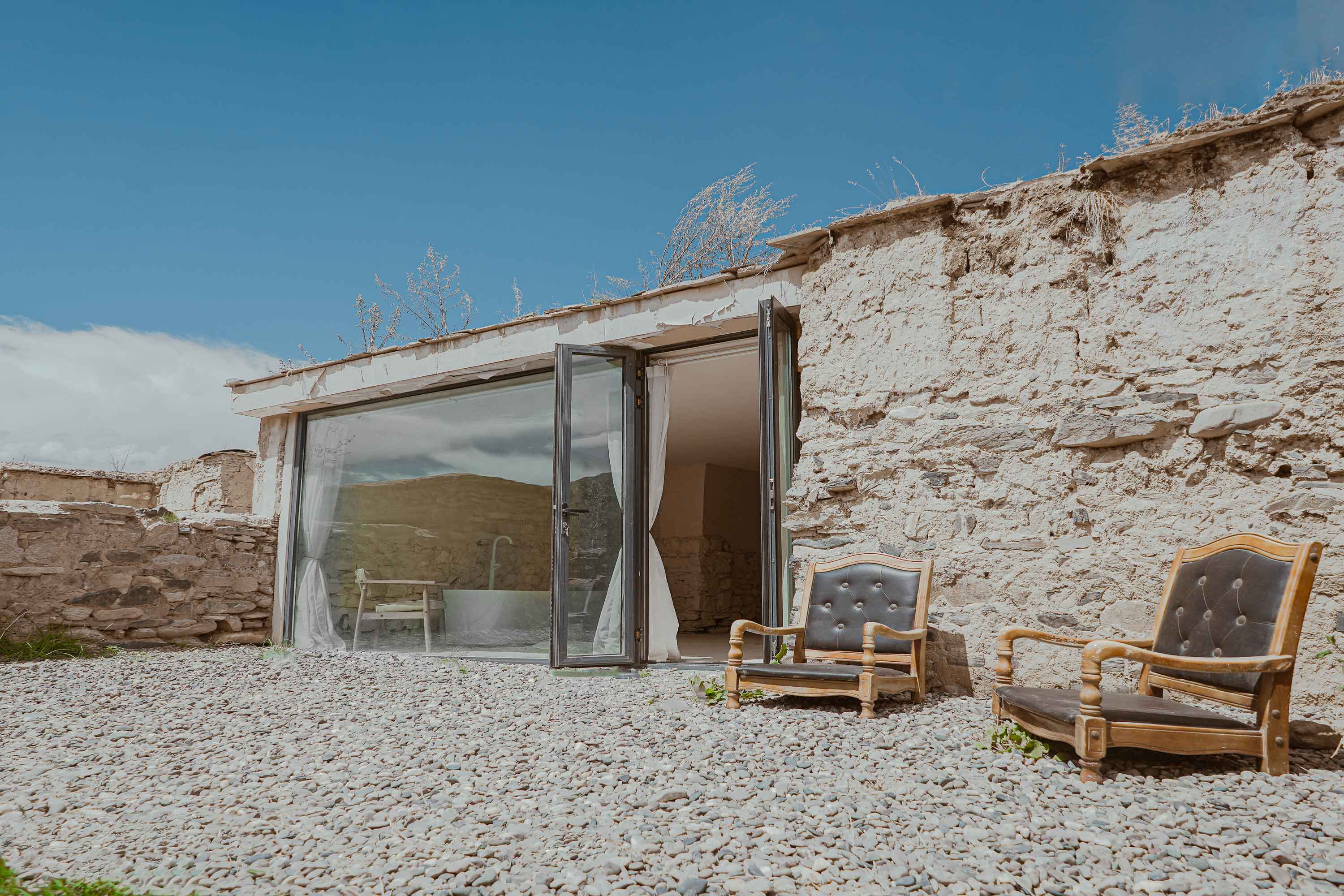
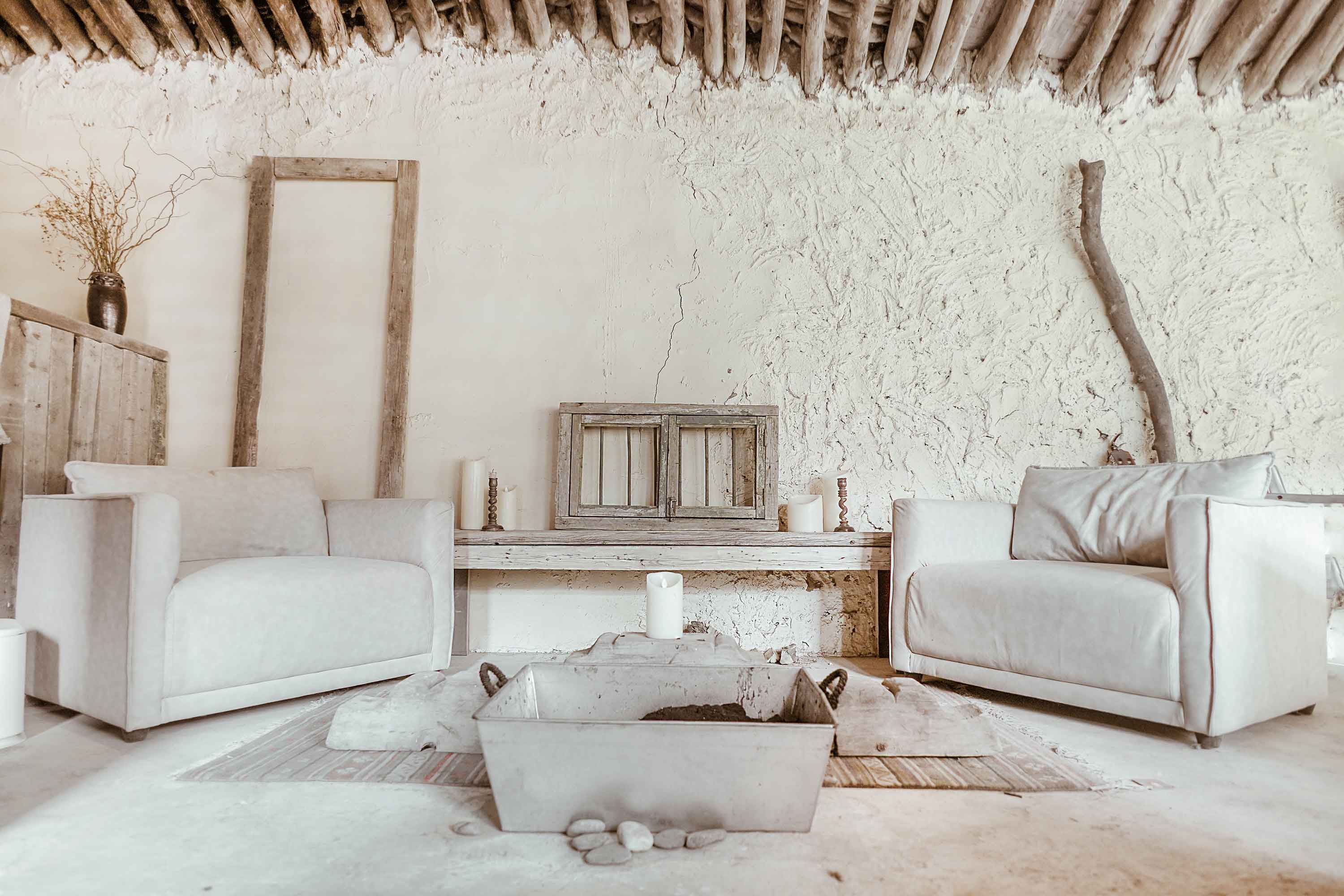
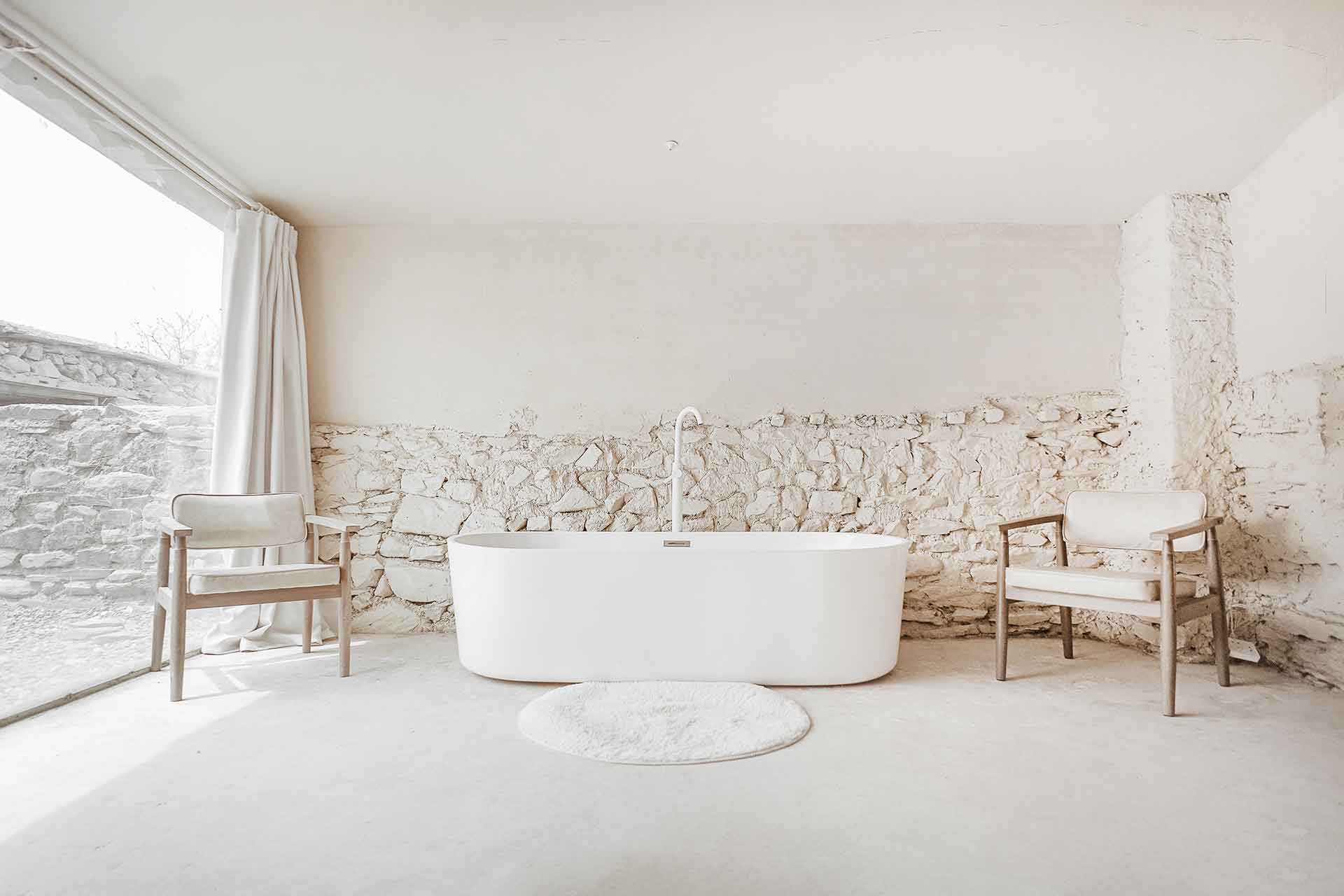
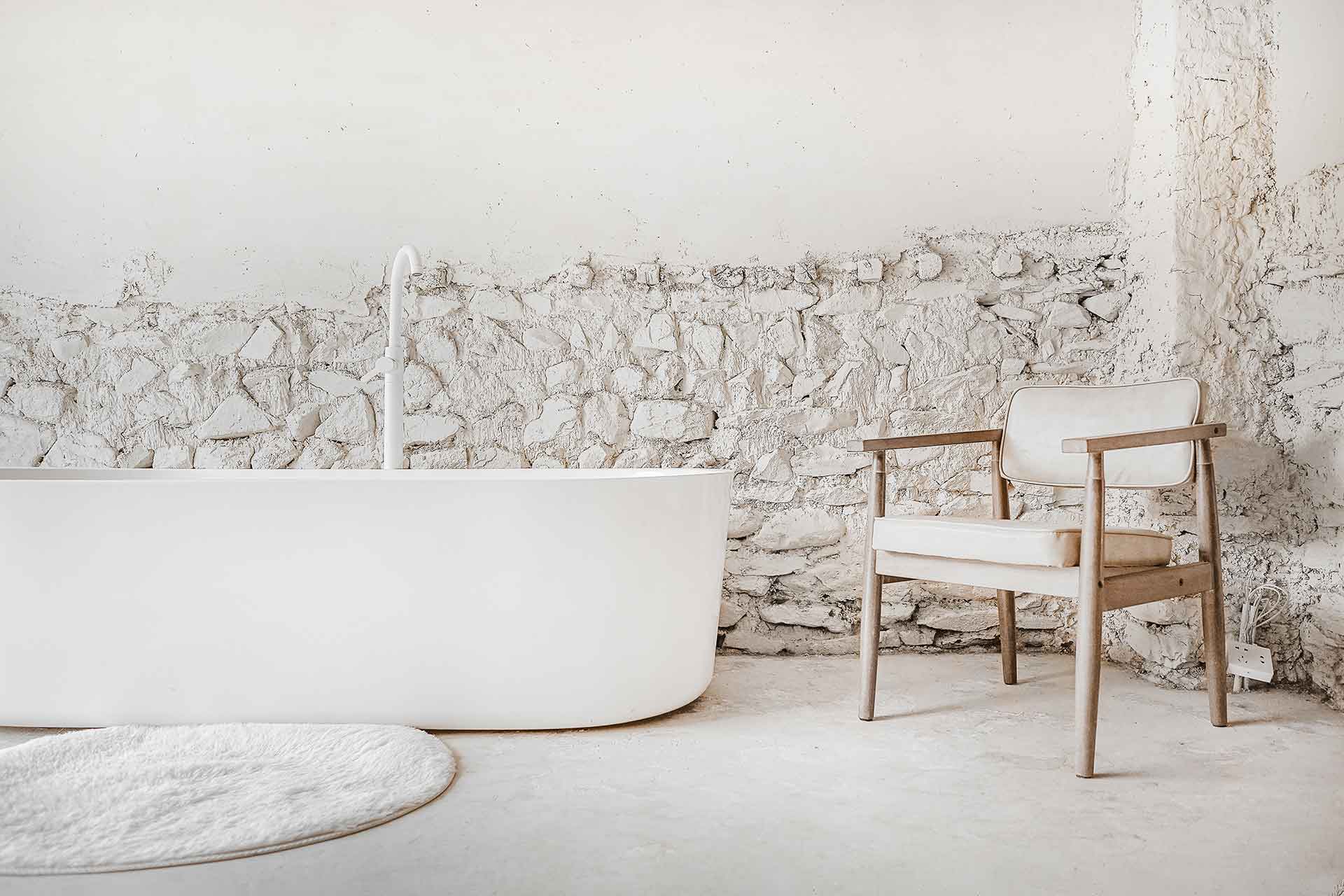
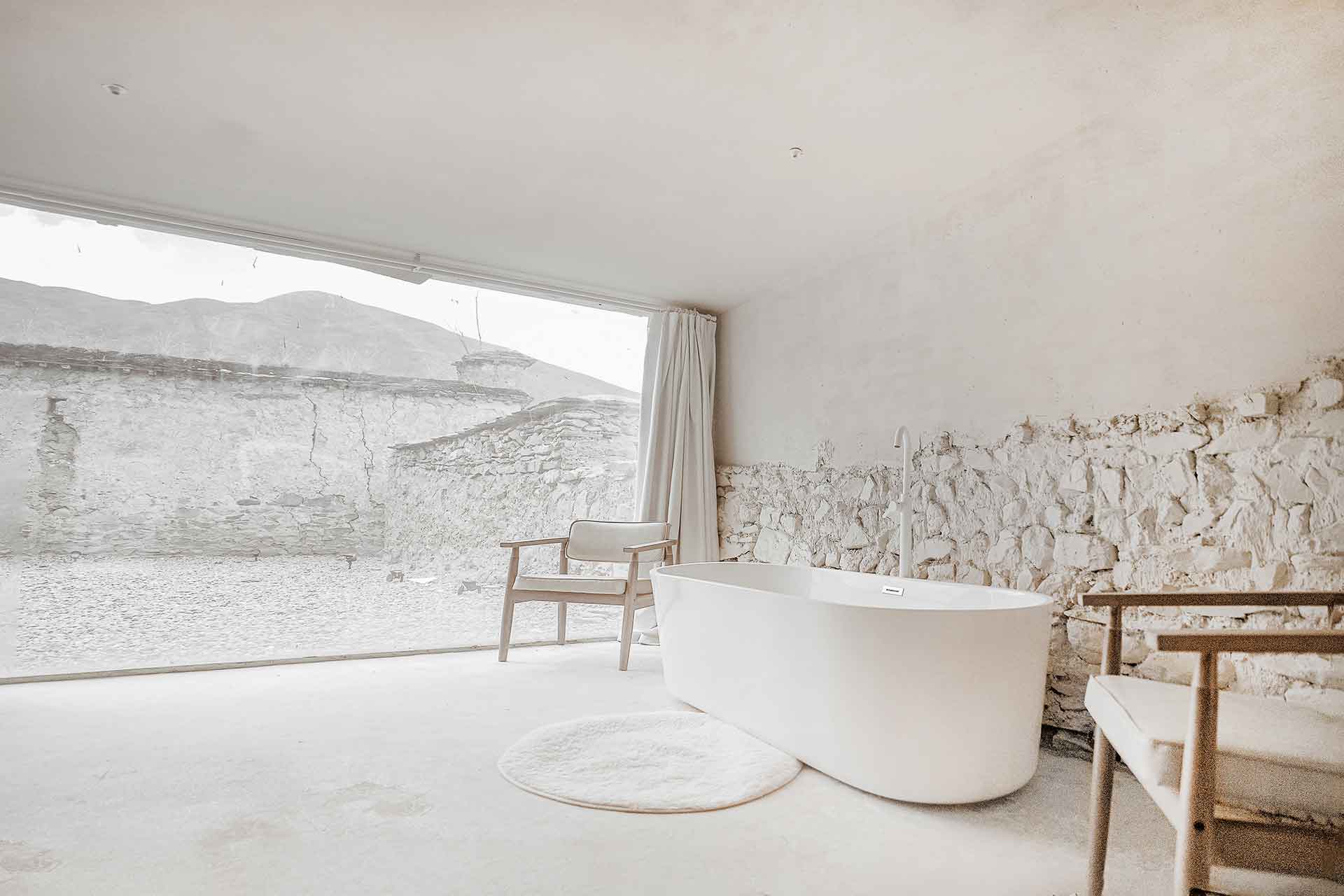
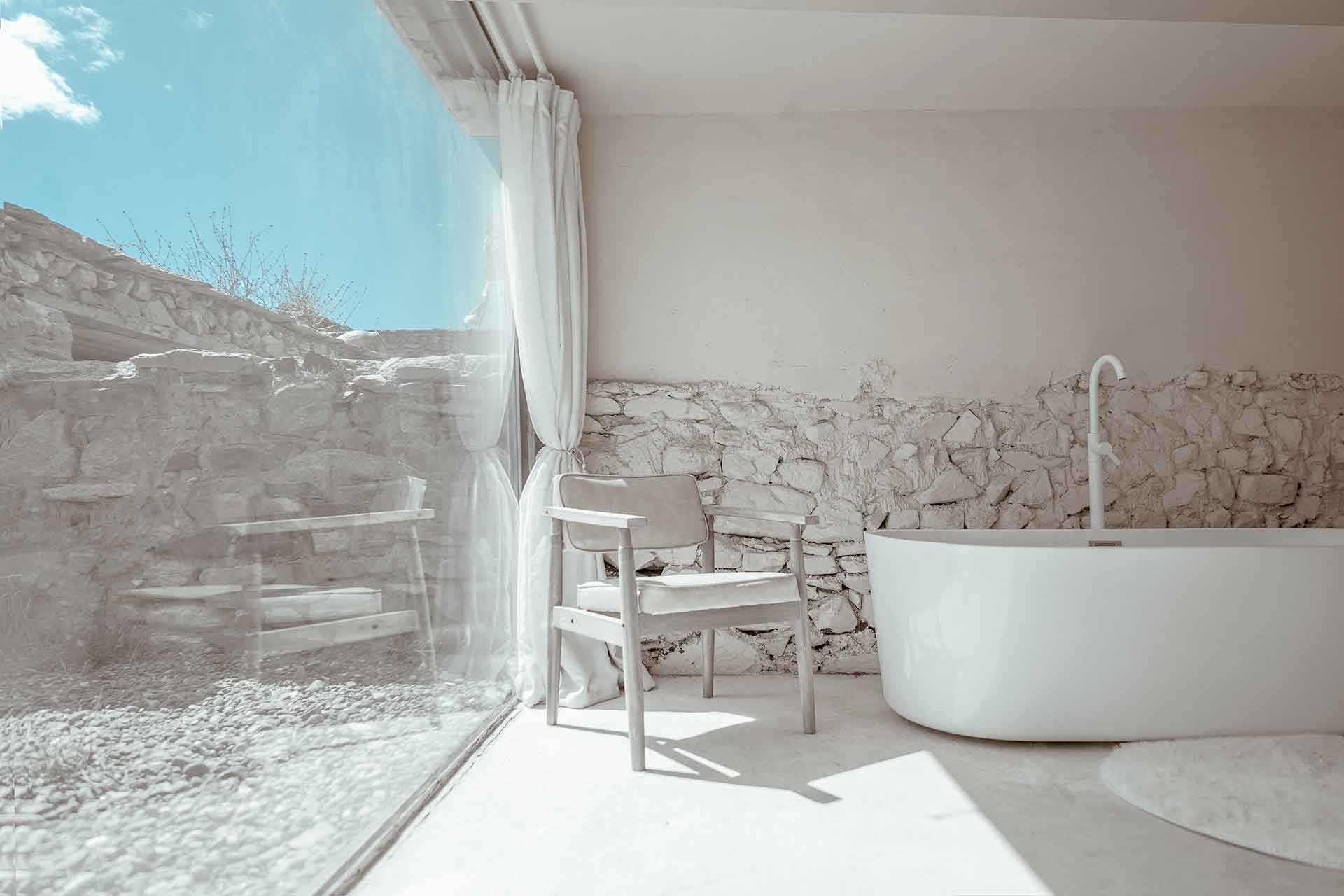
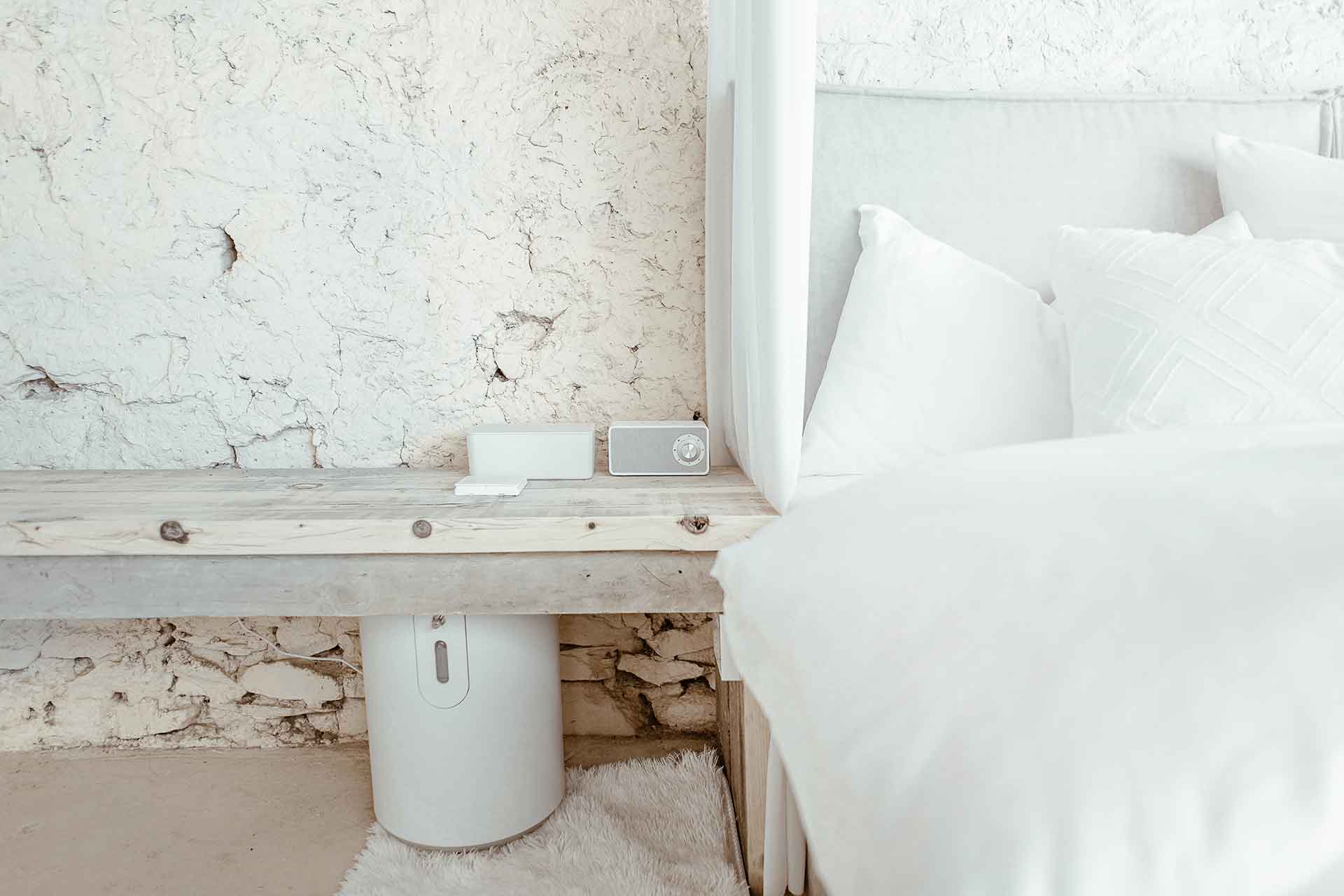
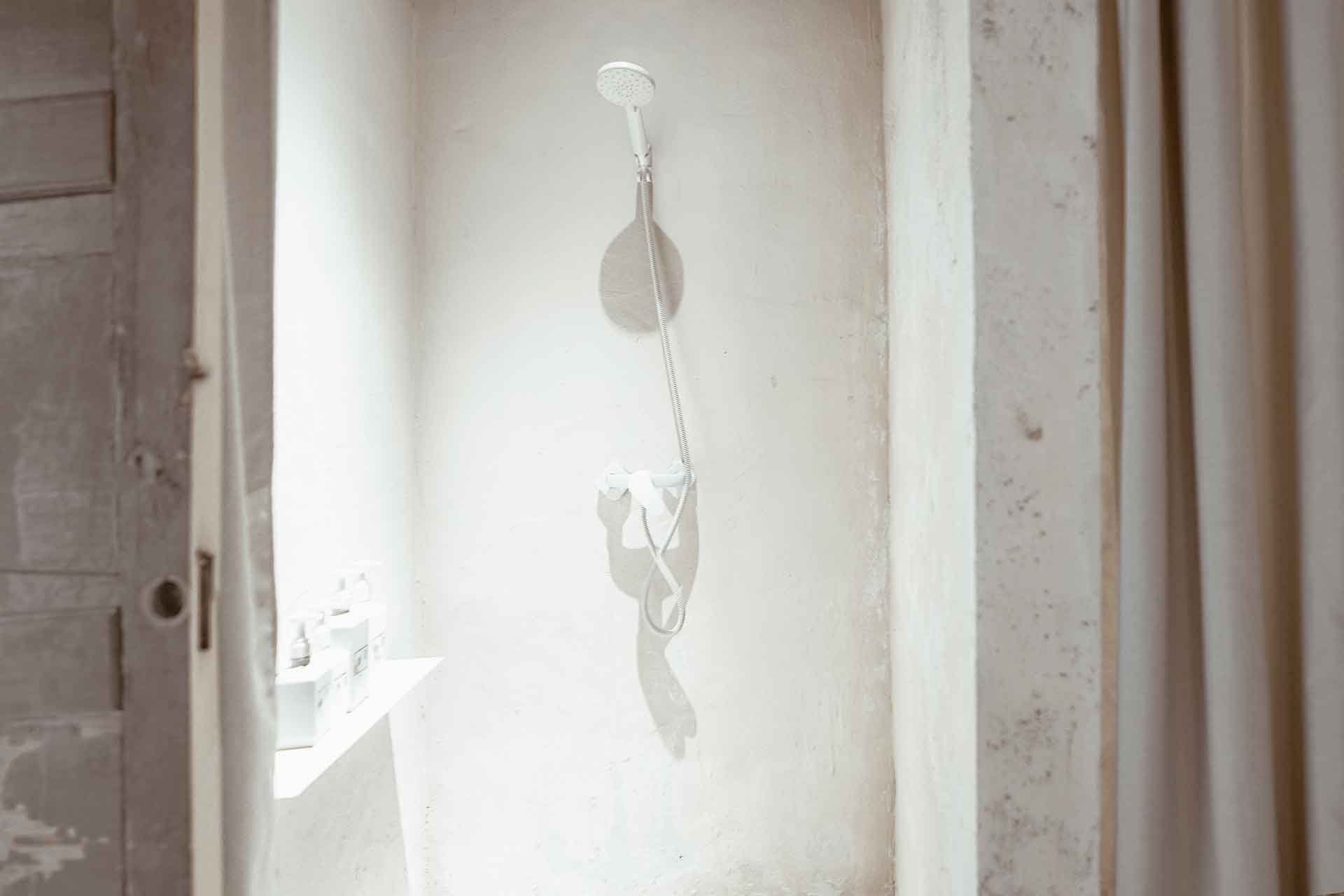
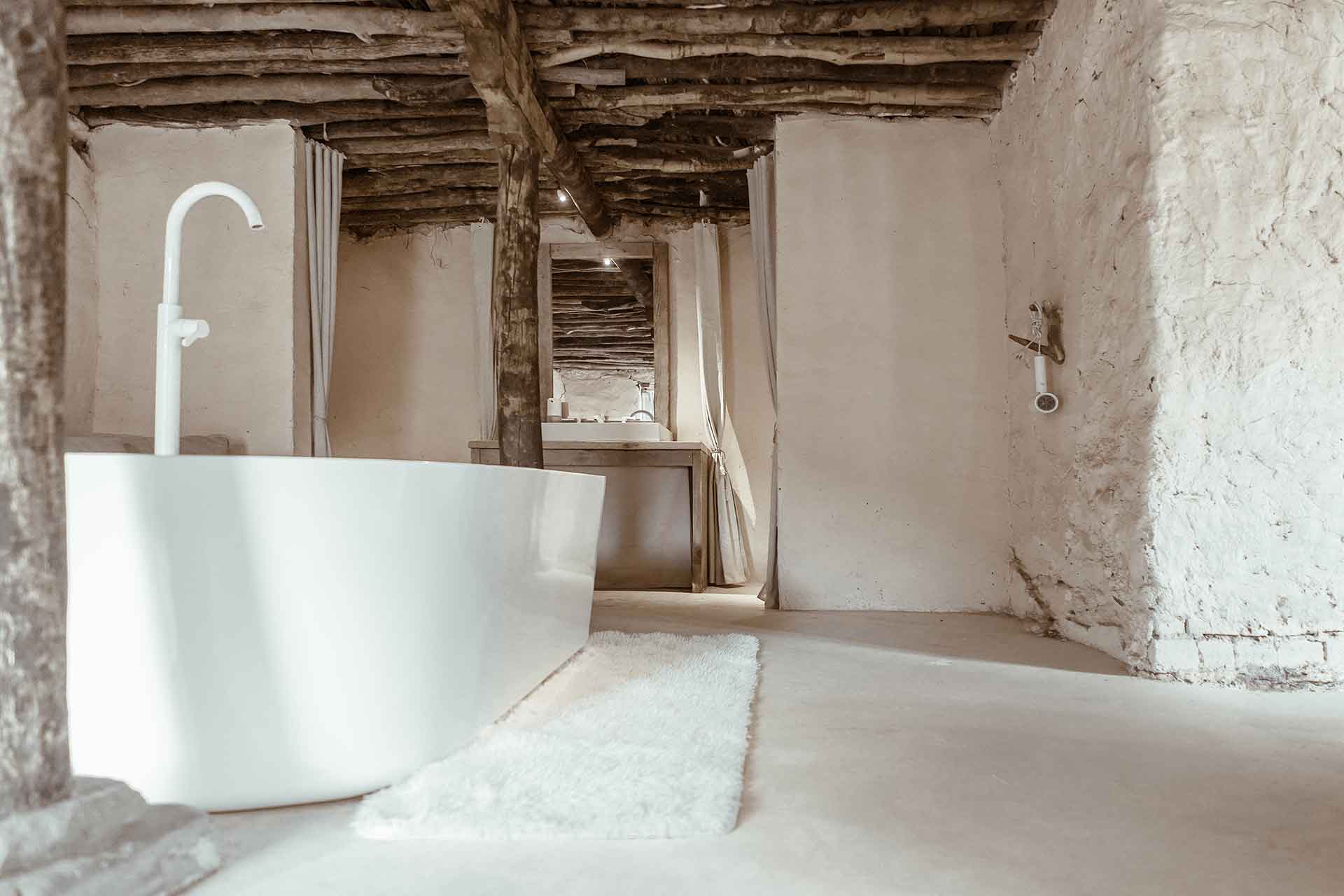
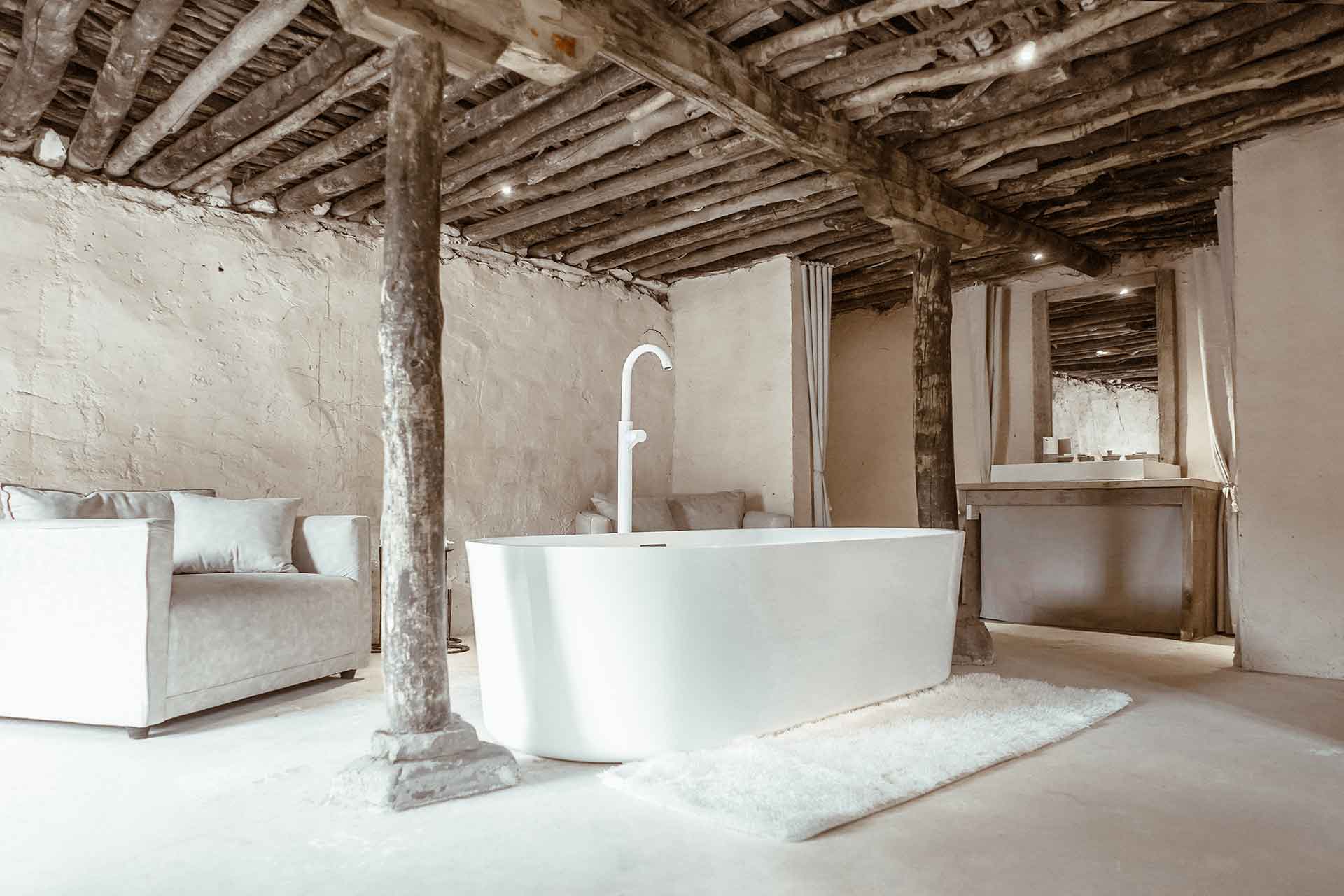
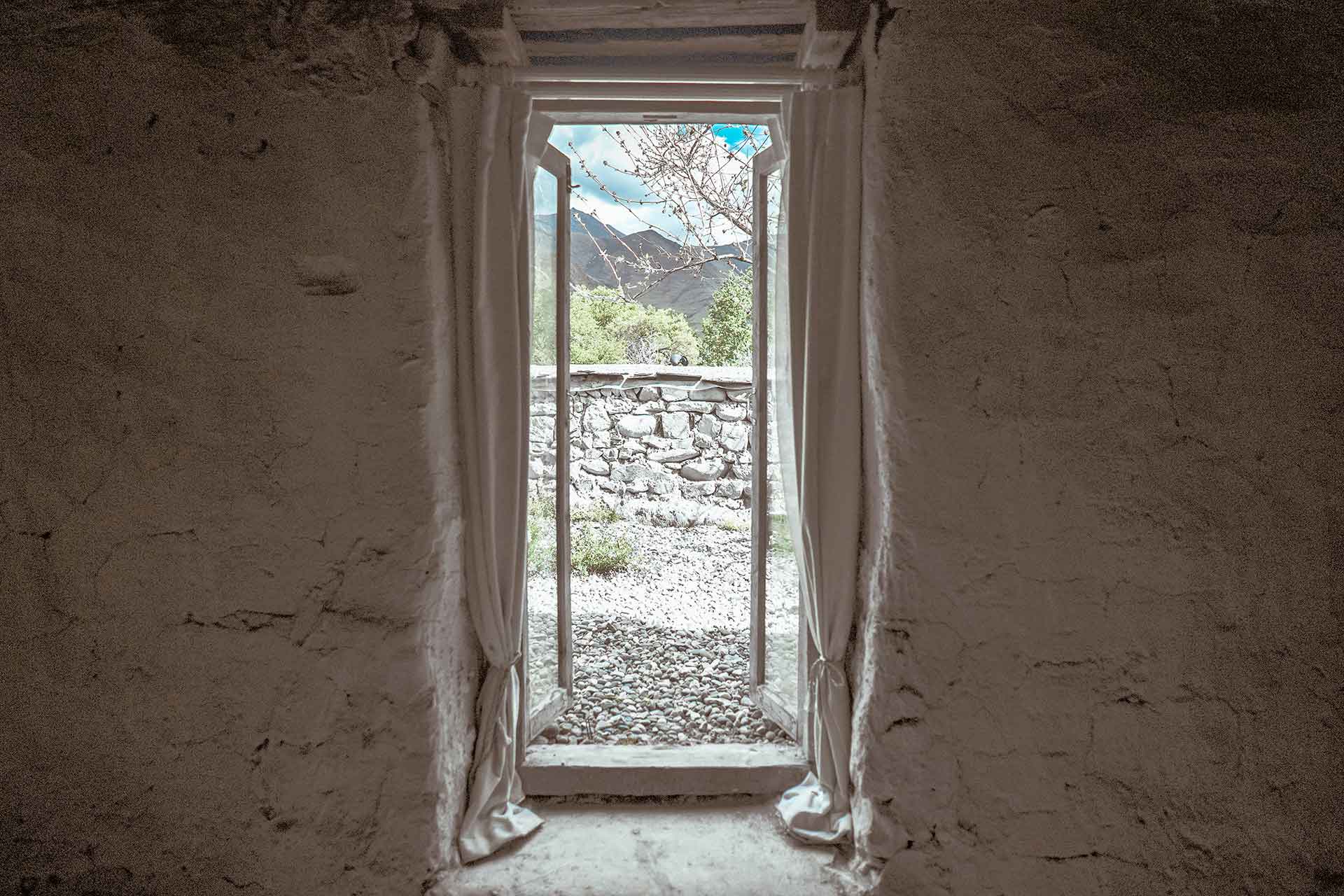
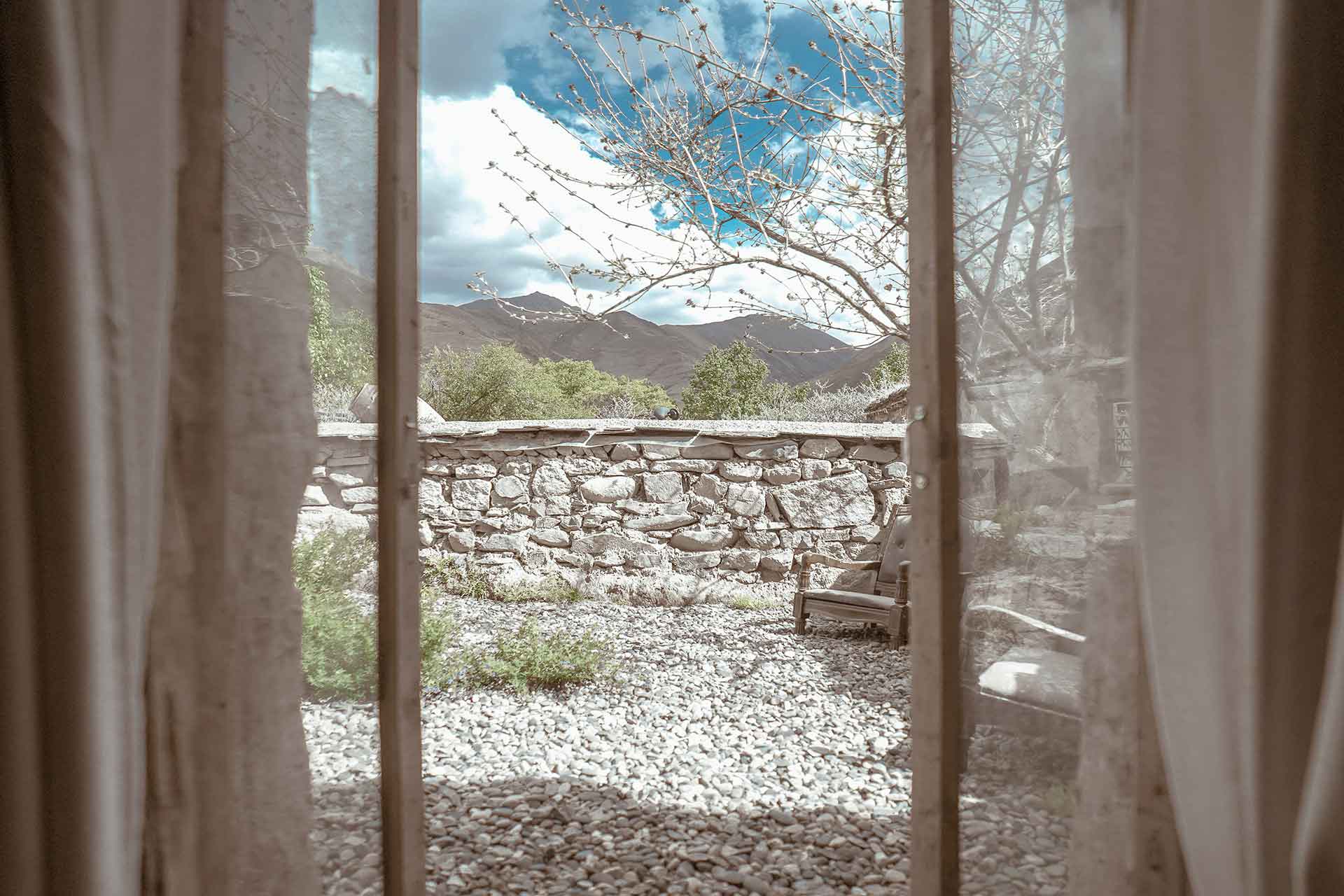
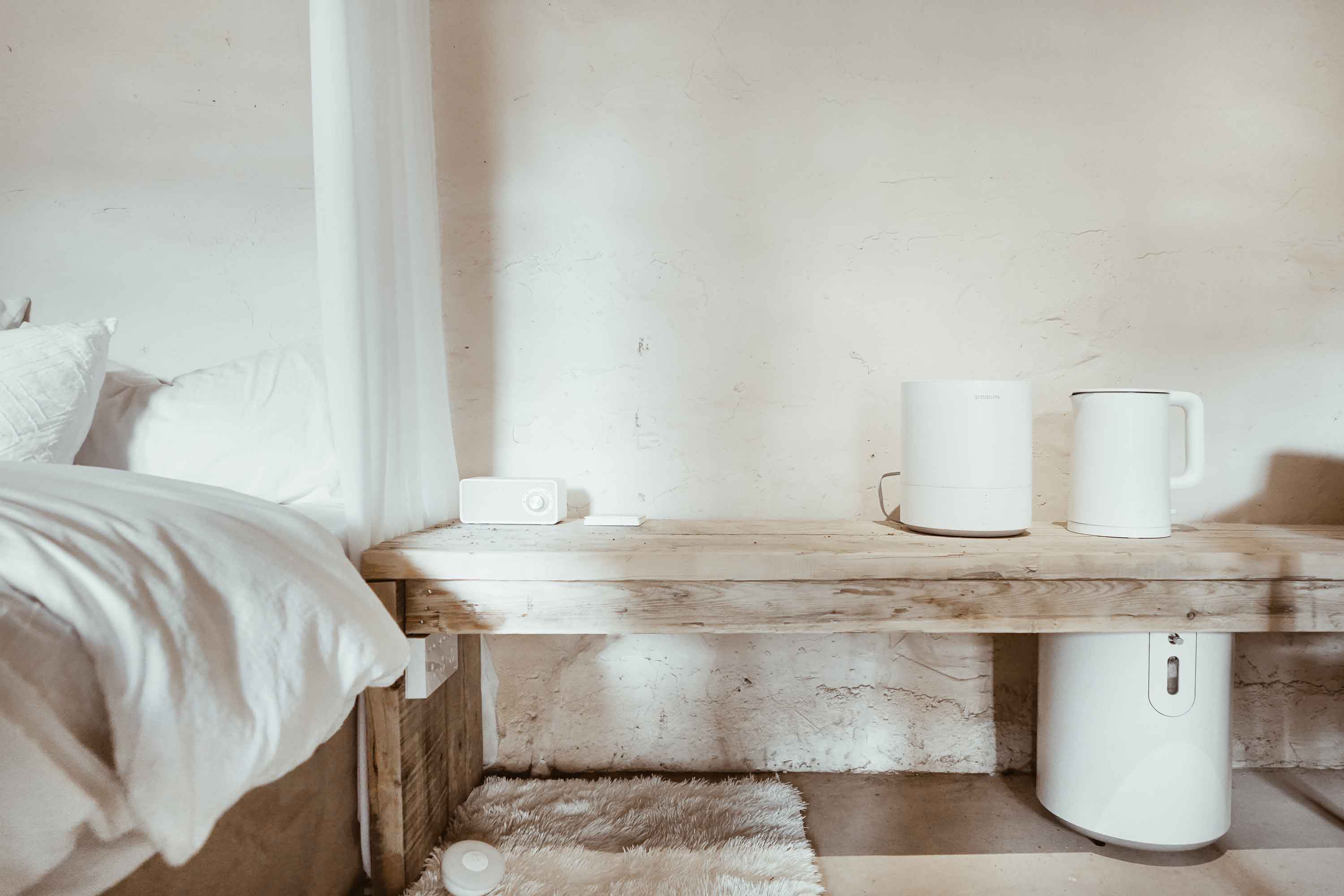
与此同时,室内空间被谨慎注入了现代生活的舒适与可持续性:太阳能发电系统提供清洁能源,引自冈底斯山的泉水清冽甘醇,在浴缸中便可欣赏窗外的连绵雪山,于都市一隅感受高原的沉浸式魅力。
To faithfully restore the traditional form, all roofs were repaired by local villagers using ancient techniques: from the first layer of interwoven wooden structures, the second layer of coarse gravel, the third layer of fine gravel, to the outermost layer of locally sourced clay—each layer preserving the memory of the land.
Simultaneously, modern comforts and sustainability were thoughtfully introduced into the interior spaces: a solar power system provides clean energy, crystal-clear spring water from the Gangdise Mountains flows within, and while soaking in the bathtub, one can admire the distant snow-capped mountains, experiencing the immersive charm of the plateau within the city.
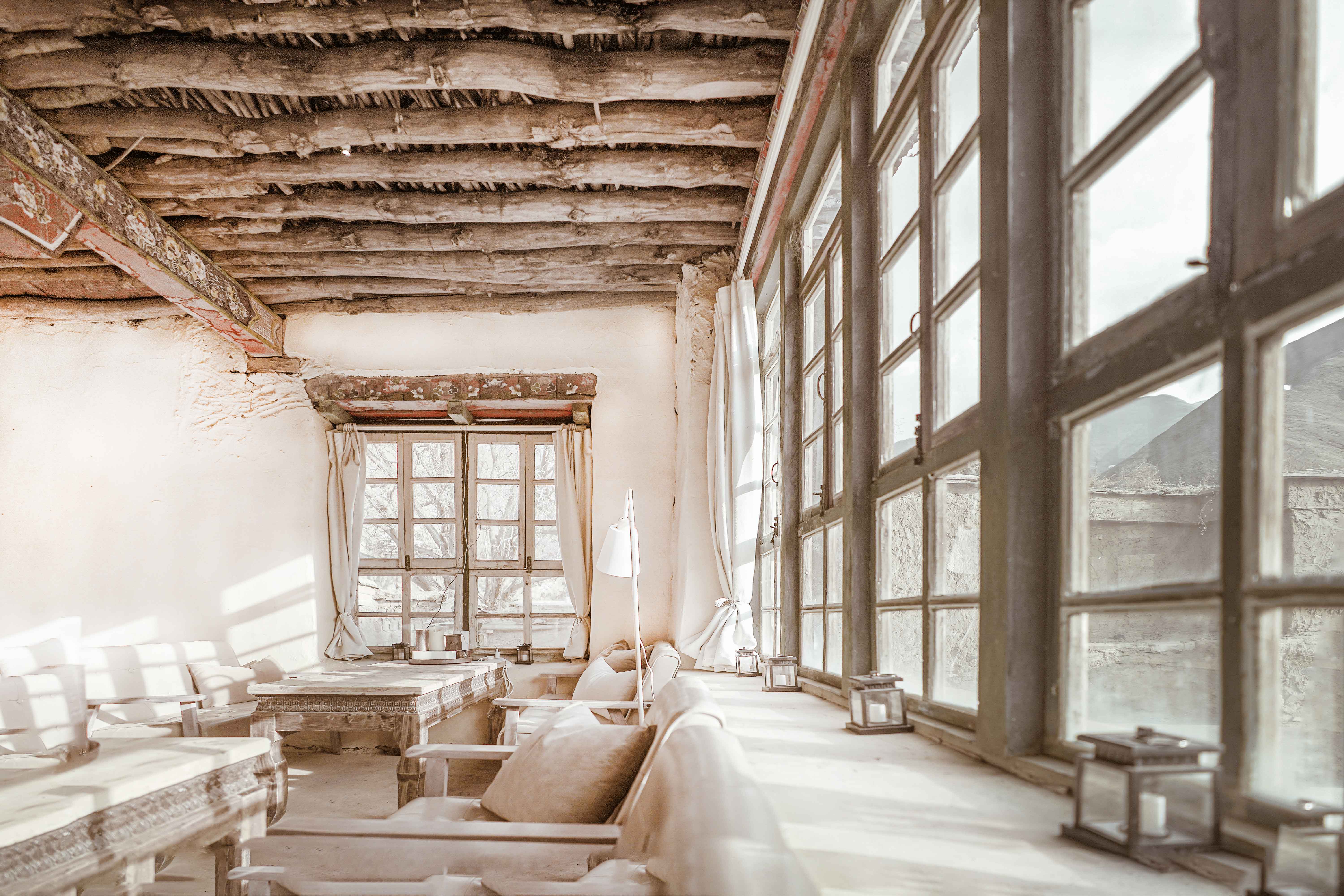
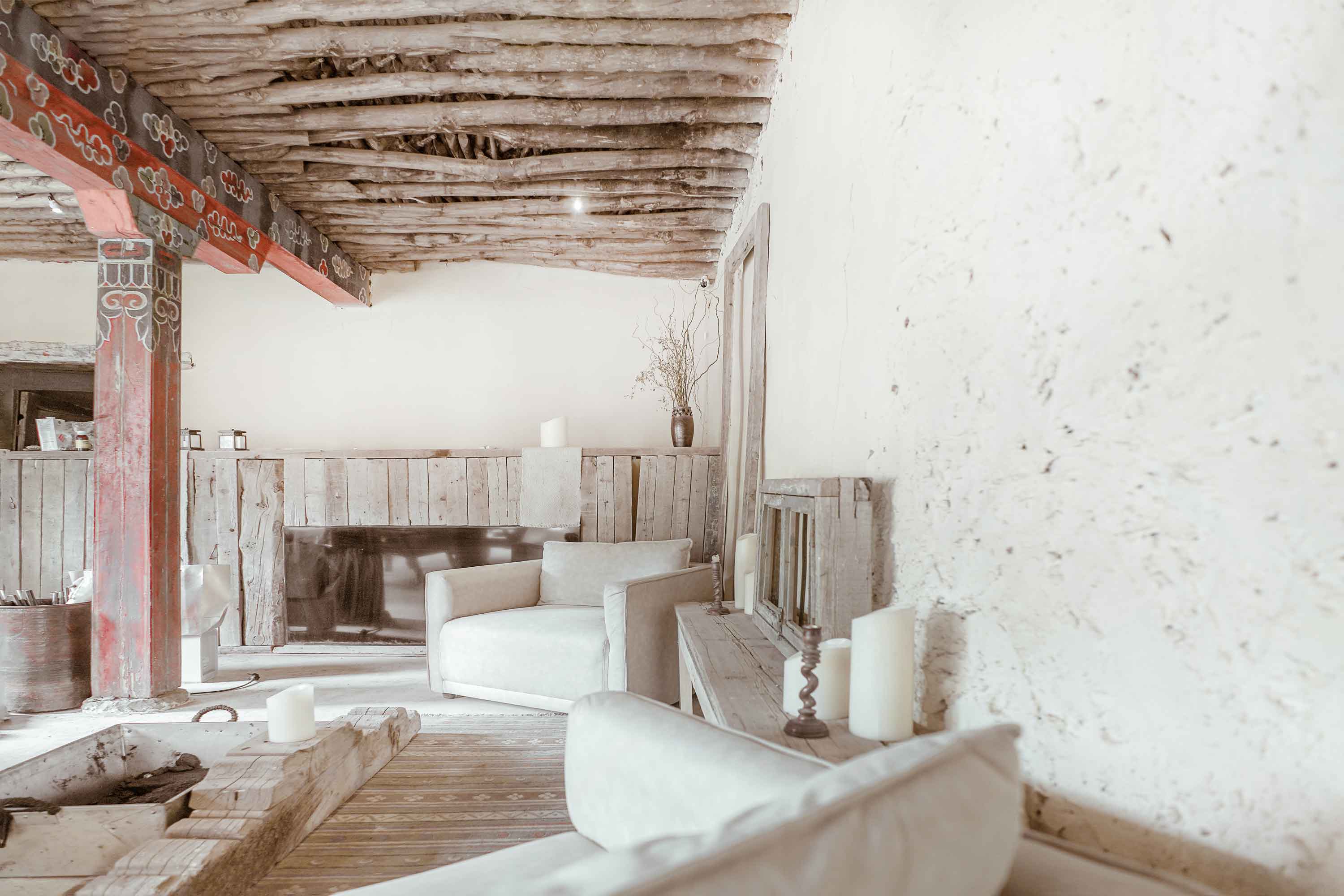
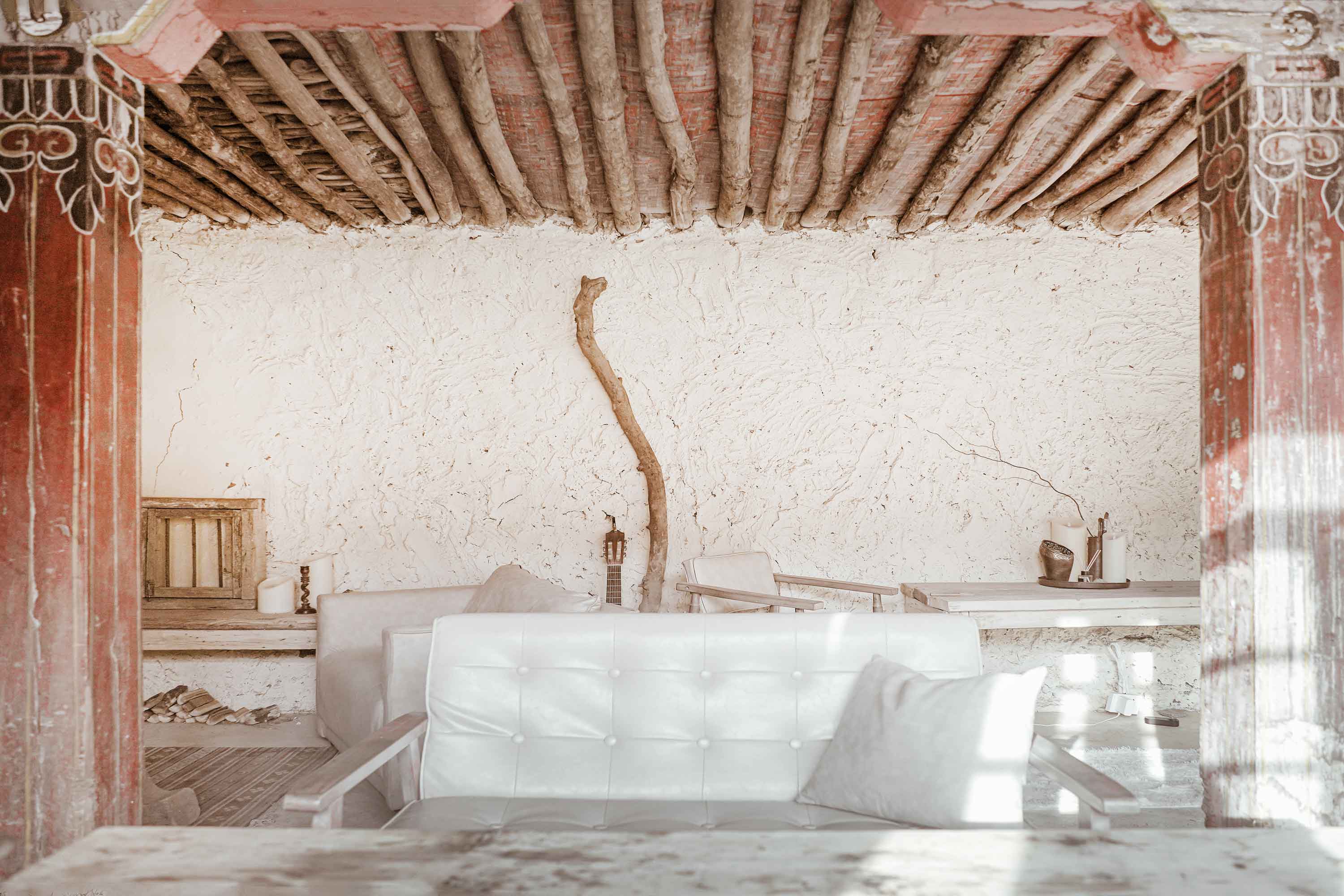
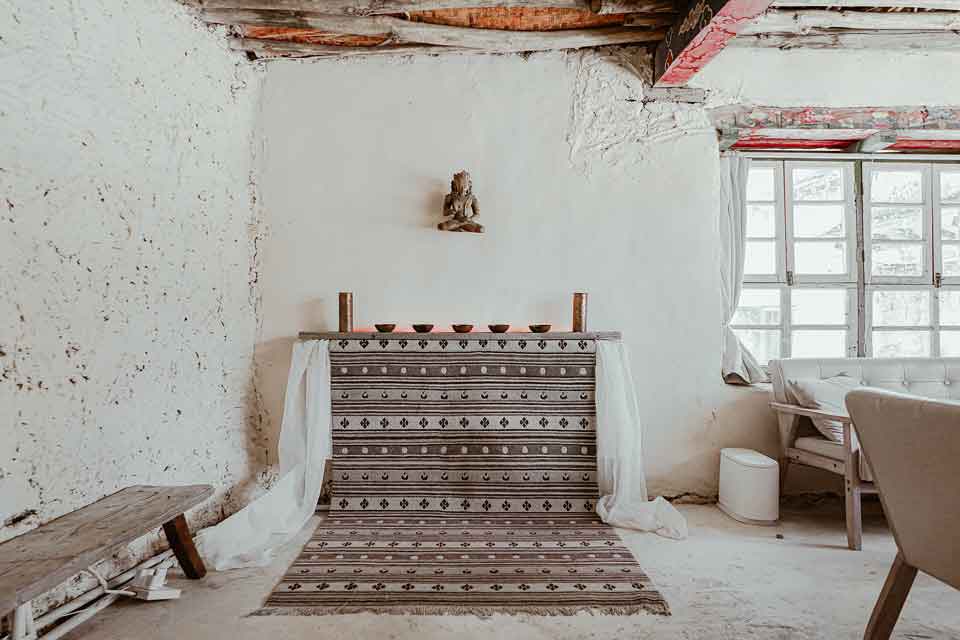
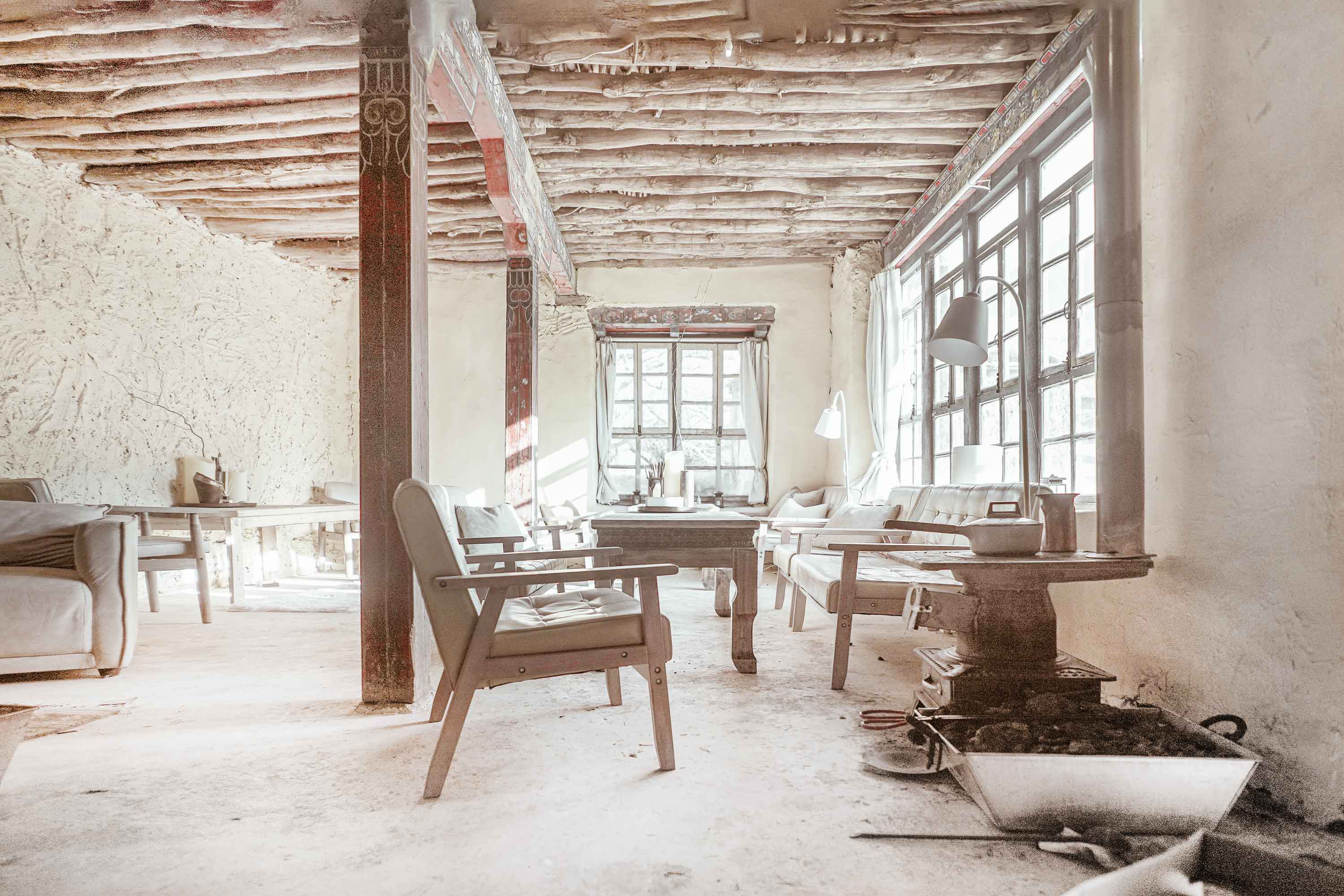
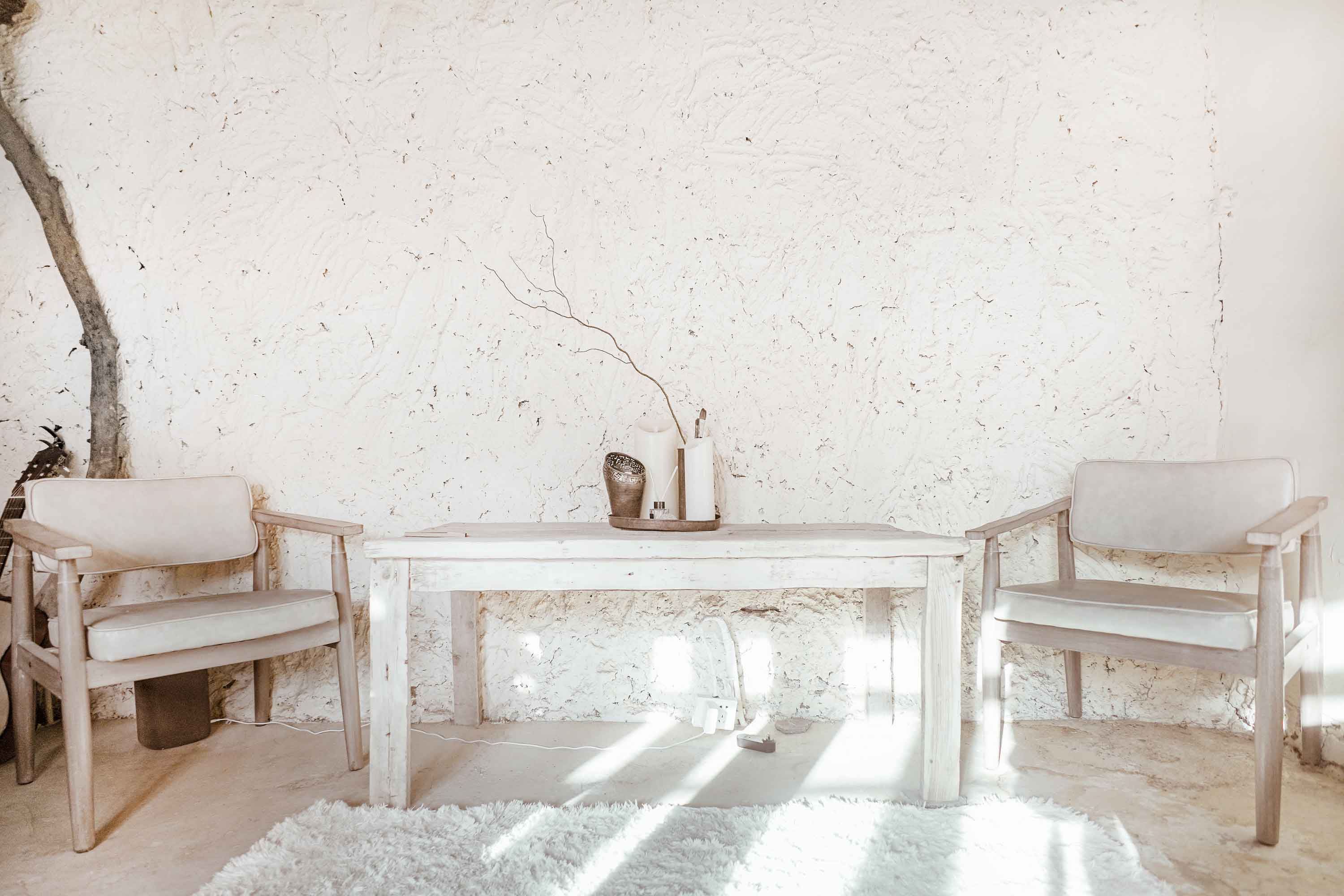
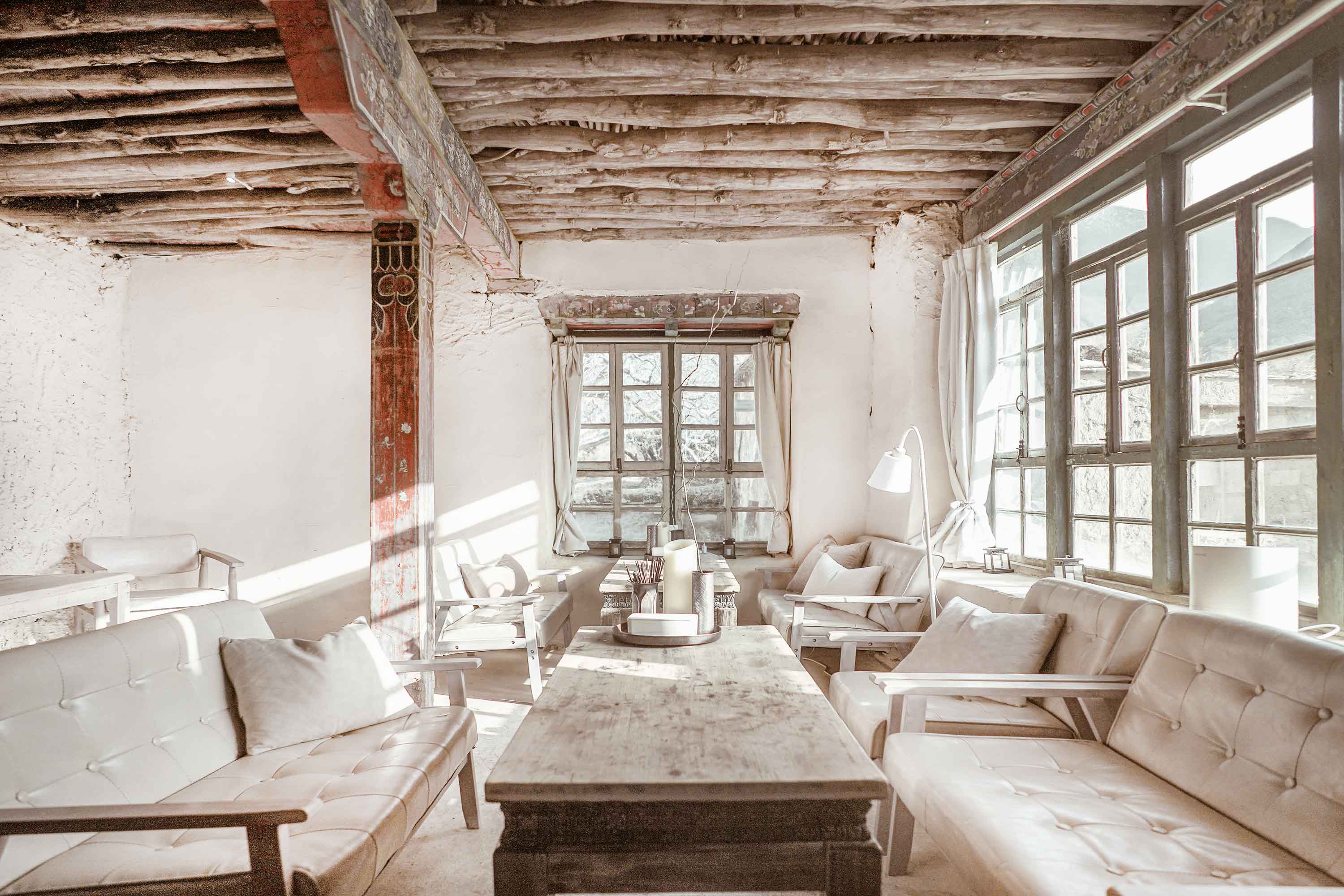
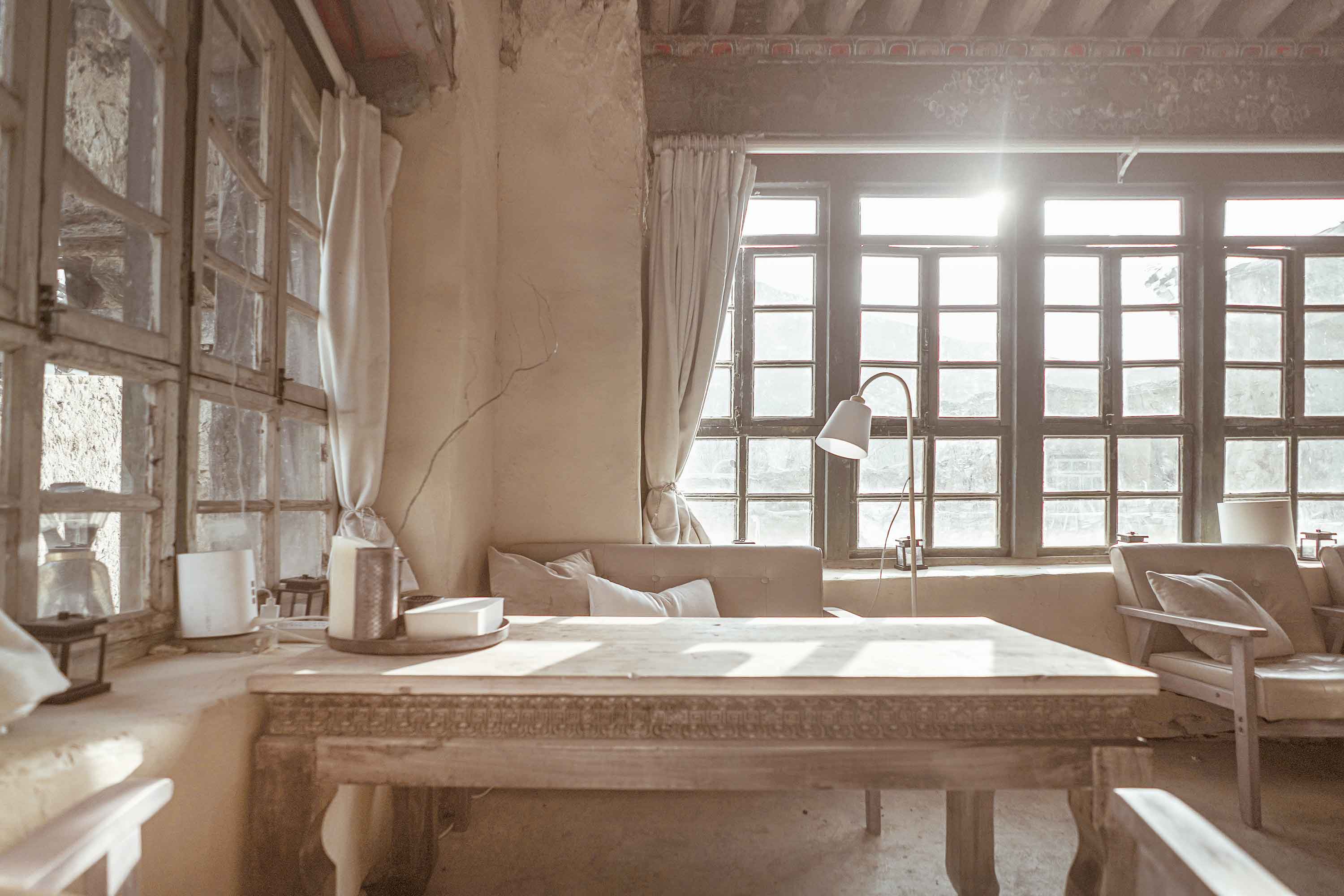
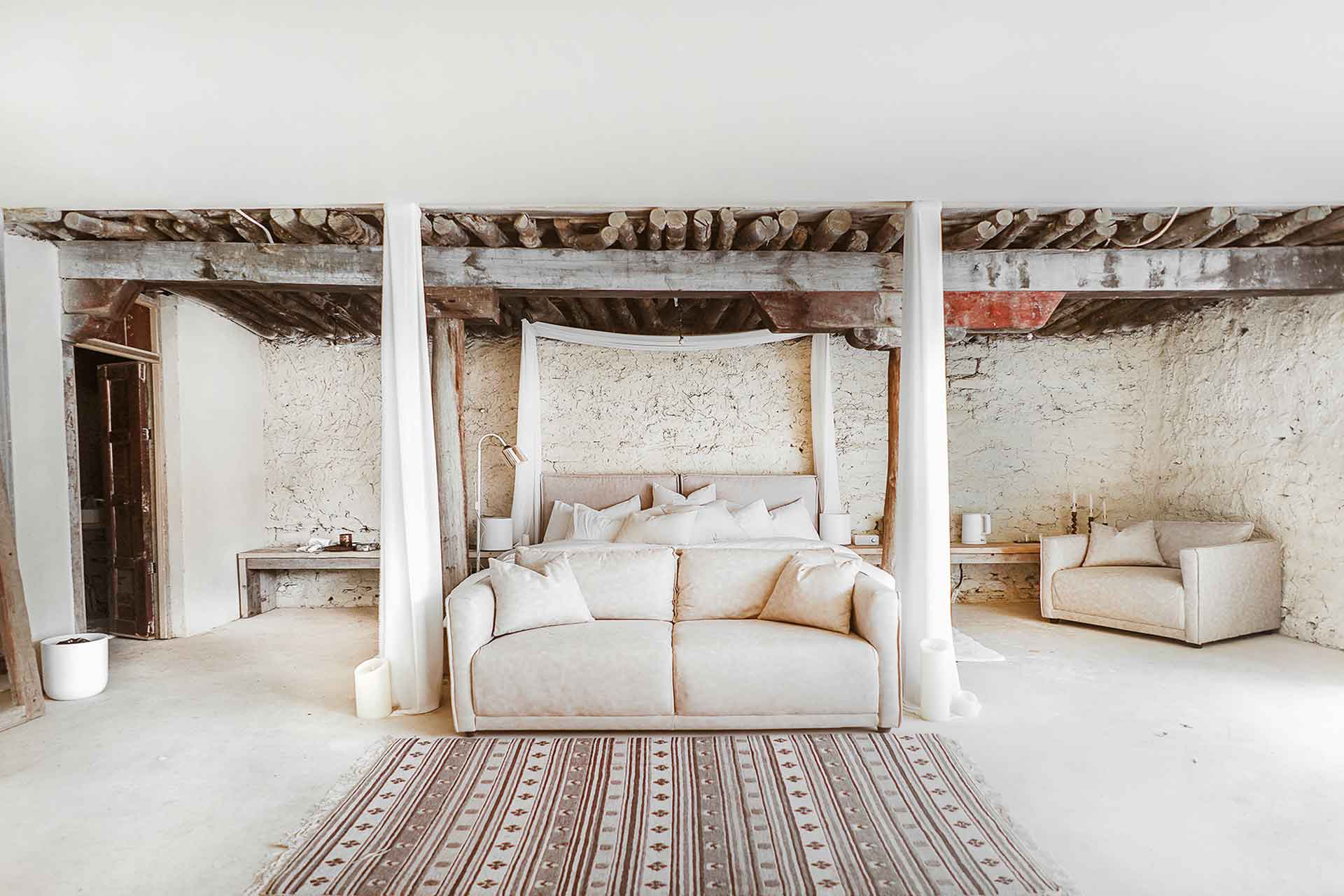
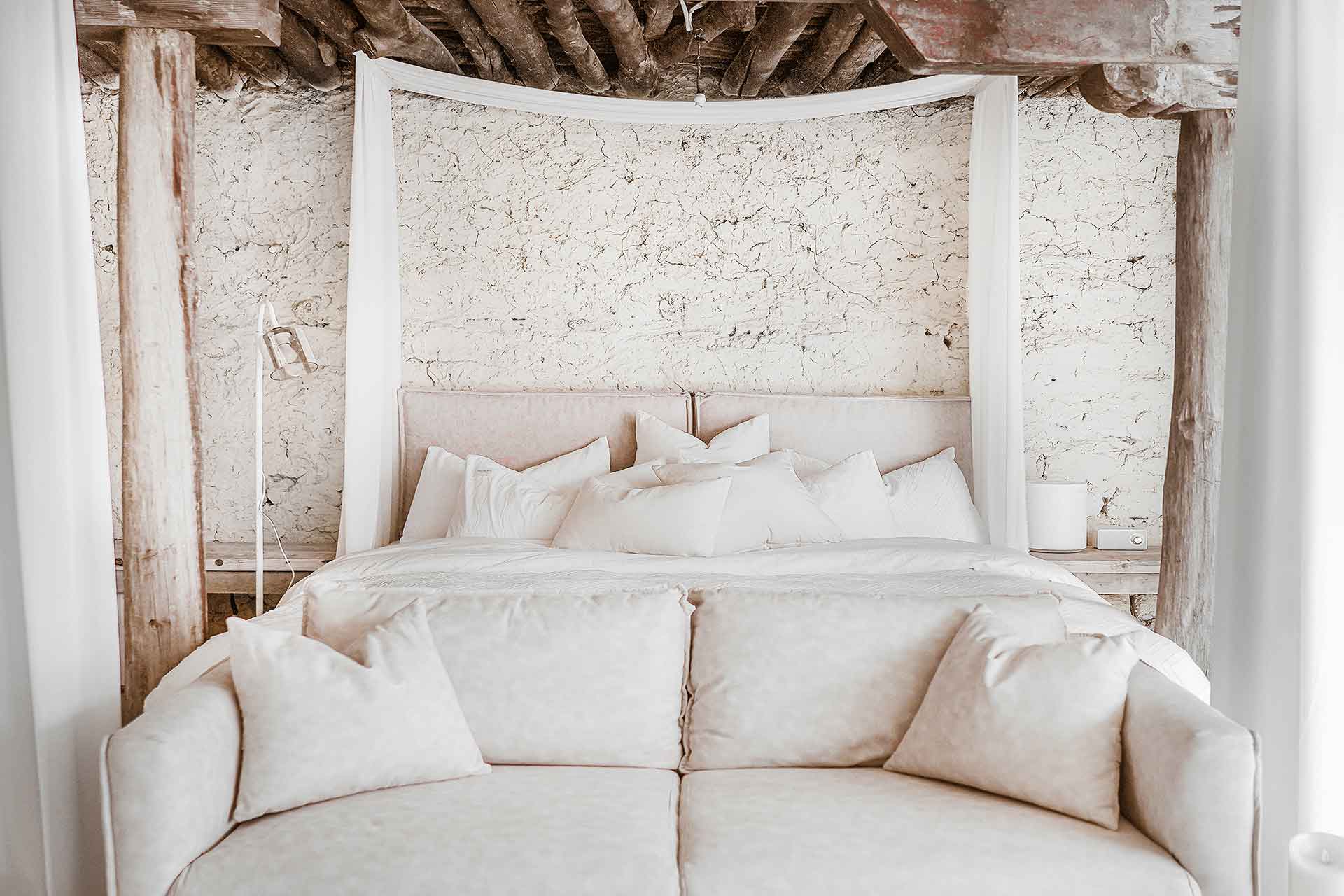
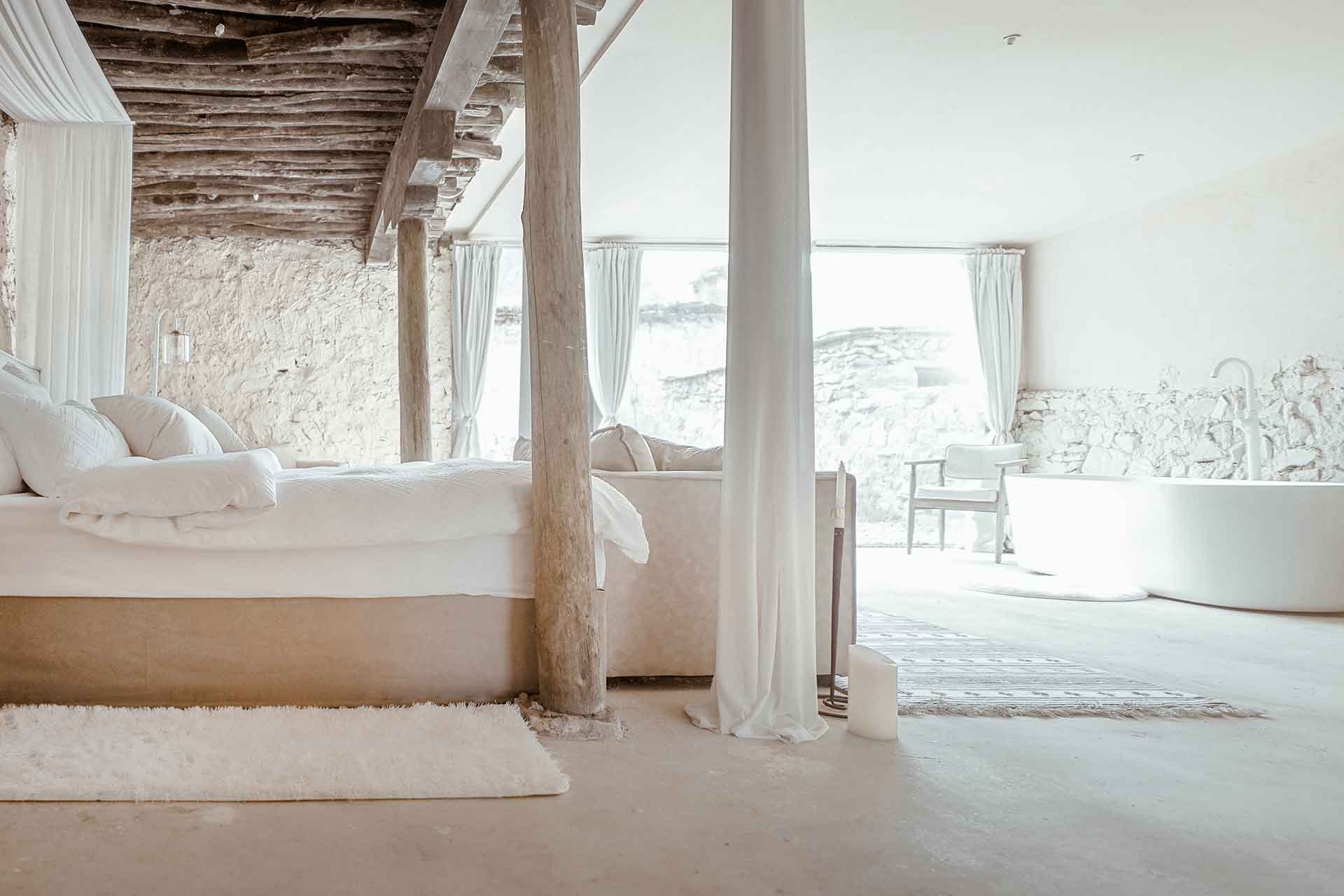
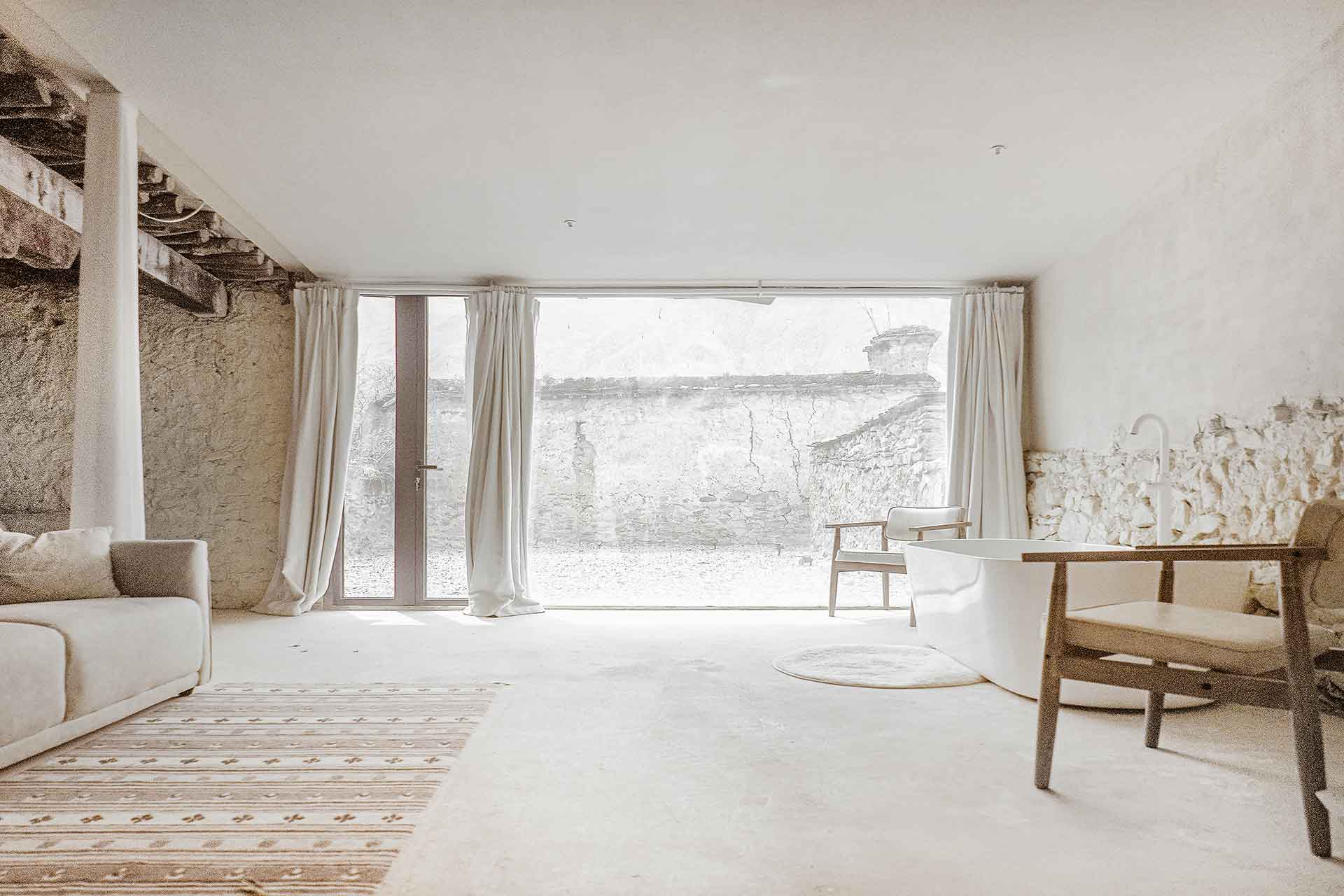
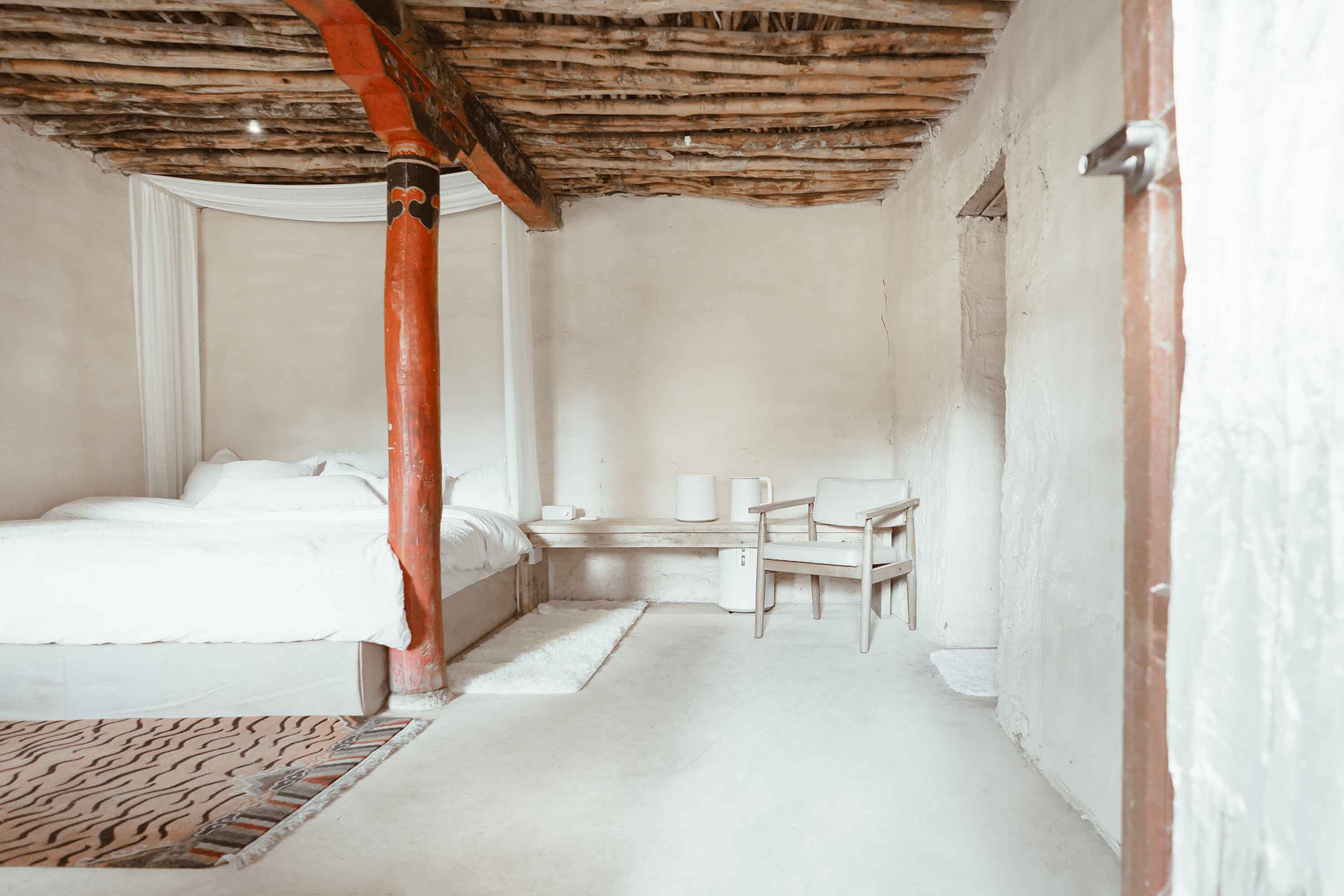
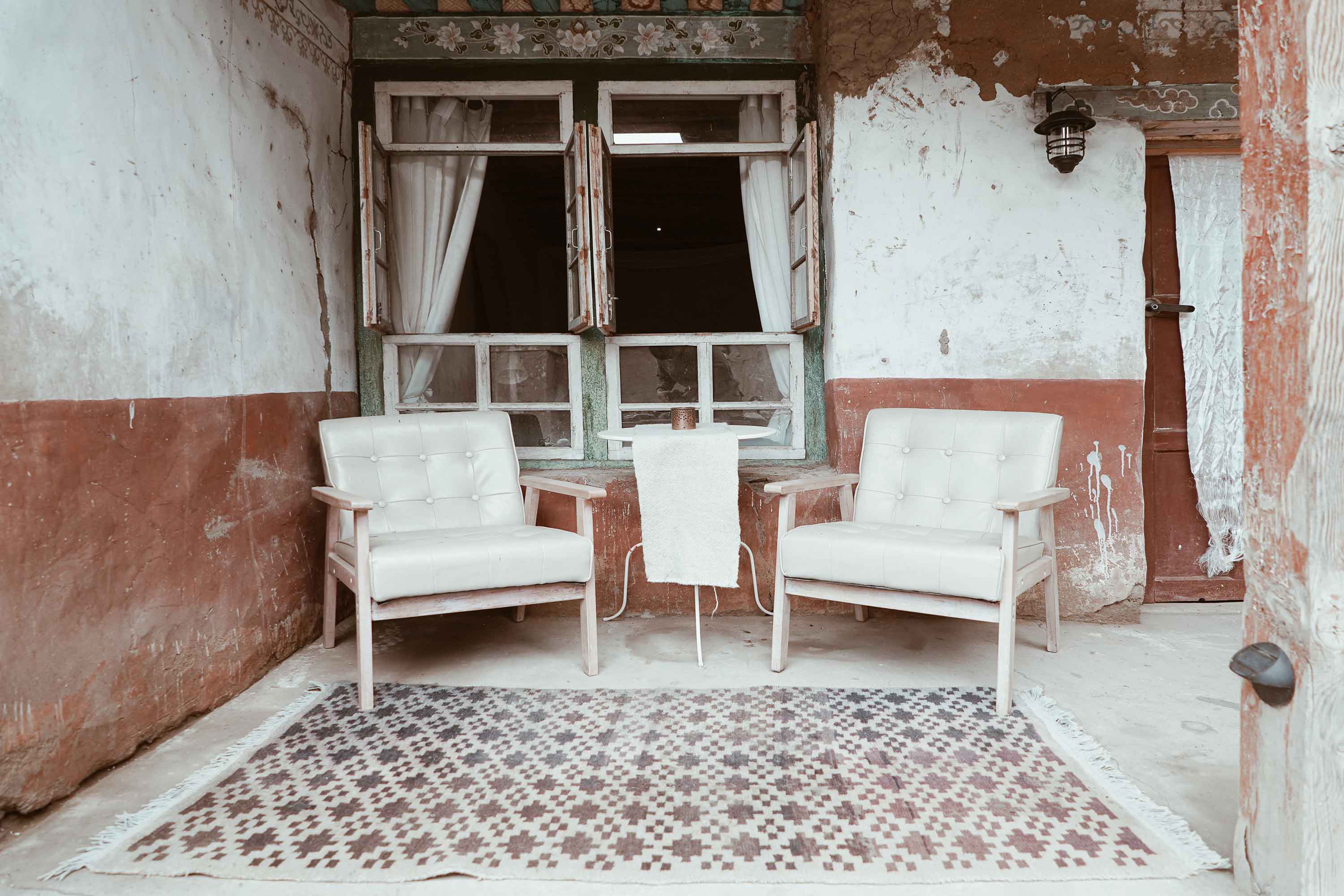
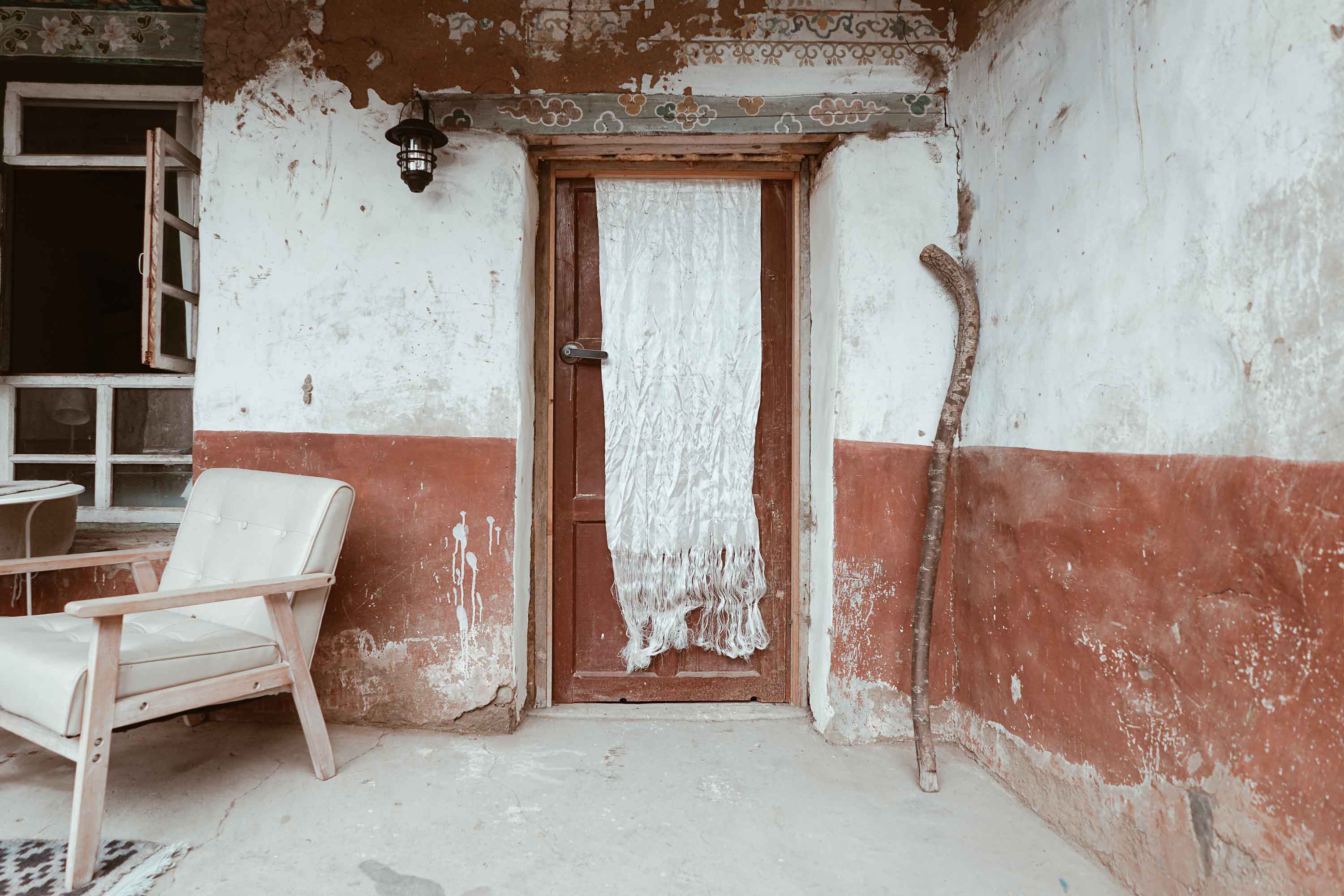
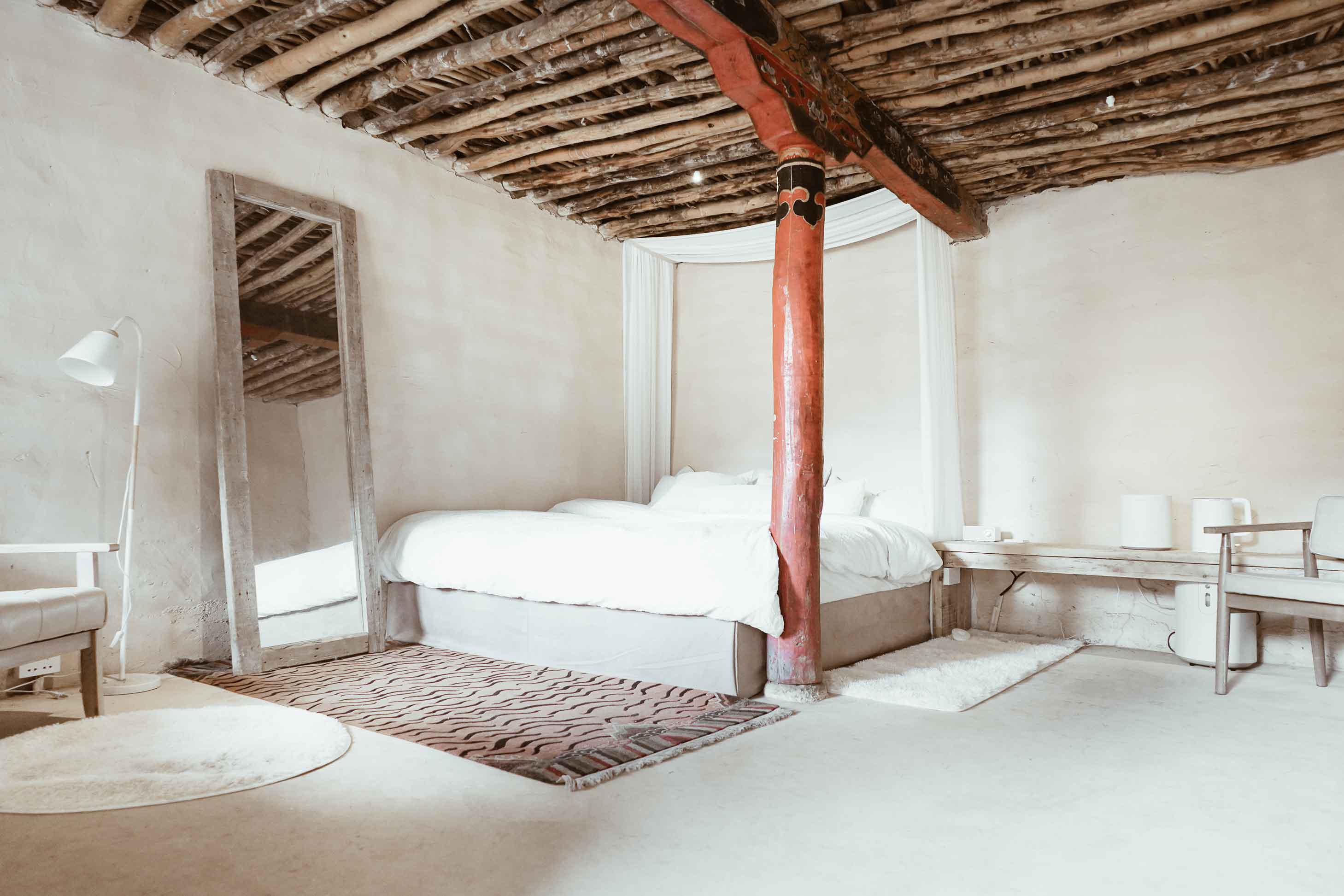
“守卫城”之名,源自一位仁波切由院中参天核桃树产生的联想——取意“舍卫城”,寄托守护文化根脉的愿心。这也正是本项目的深层追求:在保护中创新,在传承中融合。这里不仅是一个居所,更成为一个文化对话的载体。西藏卫视与中央电视台联合节目《西藏诱惑》曾以此地为场景进行人物专访,探讨传统文化在现代生活中的转化与应用,以及各民族在此产生的文化交流与共鸣。
HIDDEN PLACE守卫城,是一次对时间与土地的致敬。它让濒临消逝的建筑记忆得以安住,也让当代人能在拉萨城中,触摸真实的高原灵魂,体验一种深植于传统、却面向未来的诗意栖居。
The name "HIDDEN PLACE" was inspired by a Rinpoche’s association with the towering walnut tree in the courtyard—evoking the idea of "Sravasti," symbolizing the aspiration to safeguard cultural roots. This reflects the deeper pursuit of the project: innovation within preservation and fusion within inheritance. This space is not merely a dwelling but a vessel for cultural dialogue. The joint program "Tibet Temptation" by Tibet TV and China Central Television conducted a feature interview here, exploring the transformation and application of traditional culture in modern life, as well as the cultural exchanges and resonance among different ethnic groups in this space.
HIDDEN PLACE is a tribute to time and the land. It allows the fading architectural memories to find a place of rest and enables contemporary people to touch the true soul of the plateau within Lhasa, experiencing a poetic dwelling deeply rooted in tradition yet oriented toward the future.